Japan's GMO hack spreads to five FX firms, request made for first use of 'active cyber defense'
Up to 26,739 servers may have been affected, with a chain of damage hitting the financial sector after trading account credentials were leaked
Attackers demanded $50 million and went on to release customer data, as the Japanese government began work on emergency cyberattack measures
Published
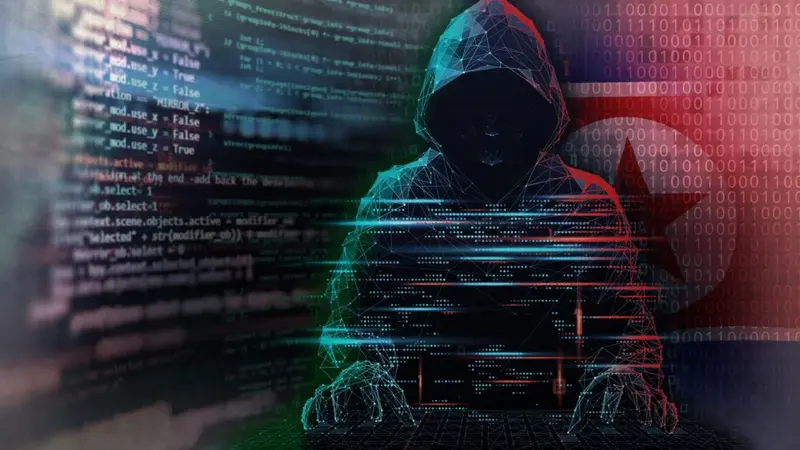
GMO Internet Group, a major Japanese internet infrastructure company, was hit by a cyberattack that leaked foreign exchange trading customers' account information, with unauthorized transactions using the data confirmed to have spread across multiple financial companies. Japanese financial authorities said related customer losses occurred at at least five FX trading firms, while GMO asked the Japanese government to take national-level measures to neutralize the attack infrastructure. Attention is now focused on whether Japan's 'active cyber defense' system, which began operating this month, will be applied.
Satsuki Katayama, Japan's minister in charge of financial services, said at a news conference after a Cabinet meeting on the 27th that five FX trading firms had reported customer losses related to the breach of GMO Internet's cloud service. The firms are Goldenway Japan, OANDA Securities, AvaTrade Japan, Gaitame Finest and Dukascopy Japan. Financial authorities asked the firms to strengthen transaction monitoring and restrict trading in affected accounts, but did not disclose the specific amounts involved.
The initial target of the attack was Onamae.com Desktop Cloud, operated by GMO Internet. The service provides a virtual server environment that allows foreign exchange margin traders to keep automated trading programs such as MetaTrader 4 and 5 (MT4 and MT5) running at all times, enabling them to operate the programs on remote servers without leaving their own computers switched on.
According to the results of an initial investigation released by GMO on the 21st, as many as 26,739 servers may have been affected by the breach, and malware was confirmed to have been installed on some customers' servers. The company began investigating on the 19th after receiving customer inquiries, found unauthorized program installations on the 20th, and began shutting down all servers for the service in stages from 4 a.m. on the 21st.
A subsequent investigation confirmed that customer information had been leaked externally, and orders that customers themselves did not place were found in some financial trading accounts. GMO decided to compensate affected customers for trading losses and pay all users of the service 5,000 yen in consolation money.
One cloud service breach spreads damage to accounts at multiple financial firms
A notable aspect of the case is that a breach of an external cloud environment affected customer accounts at independently operated financial companies.
FX automated trading systems sometimes store authentication information for securities firms or FX brokers on remote servers so trades can continue running. If attackers gain access to that information, they can log in to financial trading services using legitimate user accounts, place orders or alter existing trades.
One of the affected firms, OANDA Securities, said in an official notice on the 26th that unauthorized logins and trades using IDs and passwords believed to have been leaked from some customer accounts had been confirmed. OANDA said it had imposed trading restrictions on accounts that may have been affected, and that no intrusion into or information leak from its own core systems had been confirmed.
The attackers are reported to have demanded money from GMO and threatened to continue manipulating customer accounts opened at more than 70 securities companies and FX trading firms in Japan and abroad. That figure refers to the range of financial companies the attackers cited as targets, while actual damage had been confirmed at five firms as of the 27th.
On the 22nd, Japan's Financial Services Agency asked, through the Financial Futures Association, that FX trading firms monitor abnormal orders in customer accounts and advise customers to change passwords. Katayama said on the 27th that no reports of additional fraudulent transactions had been received, but that authorities would maintain their alert posture.
How far the damage will spread remains unclear. The case showed that even if financial firms' own trading systems are not compromised, multiple companies can be affected at the same time if account authentication information is leaked from an external service they commonly use.
Attackers demanded $50 million, then released customer data after GMO refused
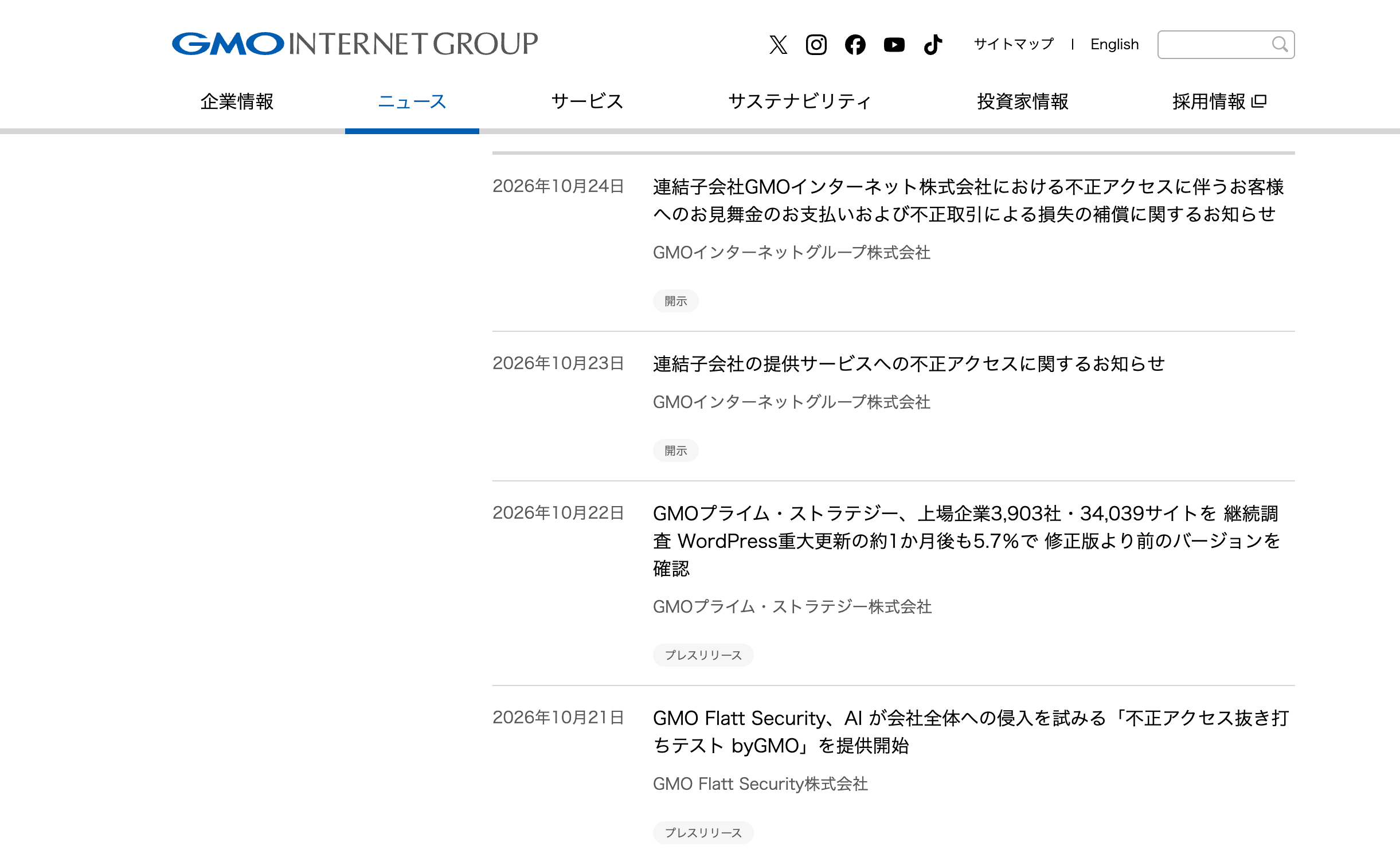
The attackers demanded payment from GMO and warned of further manipulation of customer accounts, disclosure of personal information, and ransomware attacks on users' computers.
GMO Internet Group Chairman and President Masatoshi Kumagai said on the 26th that the attackers had demanded $50 million, or about 8 billion yen, and that he had refused. The attackers then demanded that $1 million be paid by noon on the 27th, again threatening to release customer information and attack users' computers if the company did not comply.
After noon on the 27th, the attackers posted online some material they claimed was customer information in their possession. GMO said it confirmed at 12:30 p.m. the same day that information had been disclosed, but it is continuing to investigate the authenticity of the material and the scope of the damage.
The company asked users to back up data on their computers and disconnect from networks. As of 1:55 p.m. on the 27th, however, no additional ransomware attacks on customers' computers had been confirmed.
In an additional announcement on the evening of the 27th, GMO said it would offer a total reward of $1 million to obtain information that helps lead to the attackers' apprehension. It will accept tips from inside and outside Japan and plans to begin the related procedures from noon on the 28th. The company reaffirmed its policy of not paying money to the attackers.
GMO asks Japan to neutralize attack servers, with possible Self-Defense Forces involvement also raised
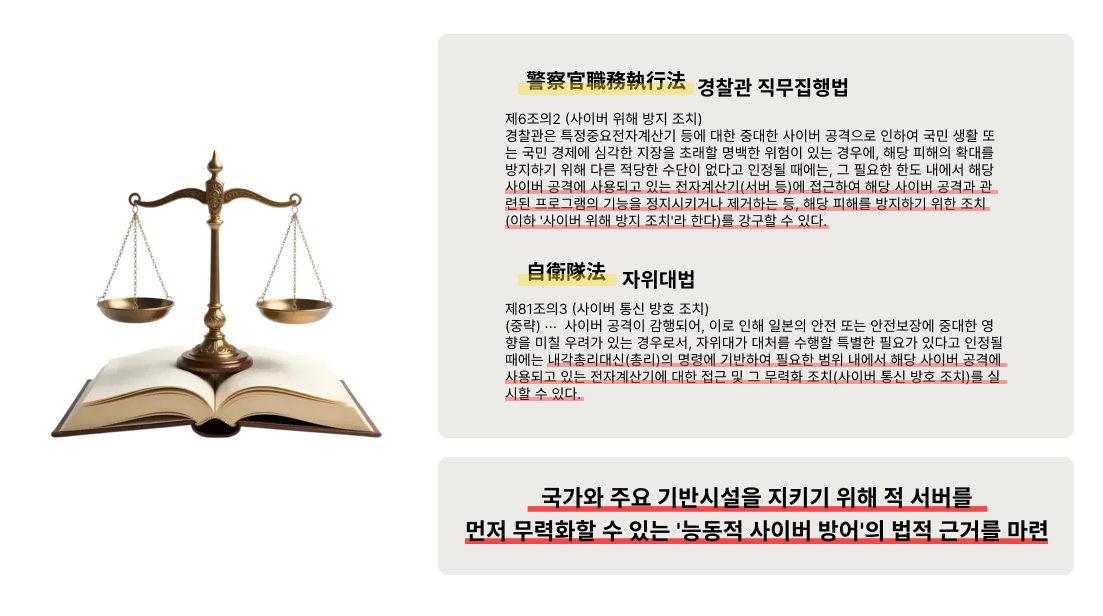
On the 24th, GMO Internet urgently asked relevant agencies to consider this case as the first application of the Japanese government's active cyber defense system. It sought national-level measures to track and block the servers and intrusion routes used by the attackers, and, if necessary, to directly neutralize them.
On the 1st, Japan began operating its active cyber defense framework following the partial enforcement of the Law on Strengthening Cyber Response Capabilities and related legislation. The system allows Japan's police and Self-Defense Forces to access servers used in major cyberattacks targeting the state and key infrastructure, remove malware, or neutralize attack functions.
According to the 2026 Defense White Paper published by Japan's Ministry of Defense, related missions by the Self-Defense Forces are premised on cases such as when major computer facilities are threatened by a highly organized and deliberate attack by an overseas actor and the need for a special Self-Defense Forces response is recognized. Any actual measures are subject to legal requirements and approval procedures.
The Japanese government said it will examine whether GMO's request meets the statutory requirements. Chief Cabinet Secretary Minoru Kihara told a news conference on the 26th that authorities would make an appropriate decision based on the requirements set out in law, regardless of whether a company has made such a request.
The party behind the attack has also not been identified. The disclosed materials did not present specific evidence that a state-backed hacking group from China or North Korea was involved, and analysis is under way on the malware used by the attackers, the intrusion route, and the scope of the damage.
Japan PM orders emergency measures over wave of cyberattacks
The Japanese government has launched a government-wide response after a string of cyberattacks and data leaks targeting domestic companies, including the GMO case.
At the first ministerial meeting on cybersecurity held at the prime minister's office on the 26th, Japanese Prime Minister Sanae Takaiichi said large-scale data leaks were occurring one after another and instructed officials to draw up emergency measures by next week. Key tasks included expanding support for affected companies, tracing those behind the attacks, strengthening information-sharing with foreign governments, using artificial intelligence to check for vulnerabilities, and bolstering supply chain security.
Prime Minister Takaiichi said the government would strategically choose and carry out a range of response measures, including access and neutralization steps, against cyberattacks whose nature has been identified. The Japanese government also plans to consider the budgetary measures needed for the response.
In Japan's financial sector, concerns are also being raised that the fallout from the incident could undermine customer trust in financial services more broadly. Ueda Marito, president of SBI FX Trade, told Bloomberg News he was concerned the image of the entire foreign exchange trading industry could deteriorate, and said some investors might move funds from FX trading accounts into bank deposits.
The GMO case shows that authentication data stolen from a single external cloud environment can be used to attack customer accounts at multiple financial companies. Because the incident comes as the Japanese government is expanding state authority to intervene in response to cyberattacks targeting critical infrastructure, attention is expected to focus on identifying the attackers, investigating damage in the financial sector, and whether active cyber defense will be applied.