More than 10 ballistic missiles fired six days after Seoul proposed military talks, Korean Peninsula tensions rise amid North Korea's show of force
North Korea launches more than 10 short-range ballistic missiles from the Wonsan area, flying about 250 km, resuming missile provocations after 17 days
National Security Office convenes emergency review meeting, North continues show of force despite proposal for inter-Korean military talks
Published
Updated
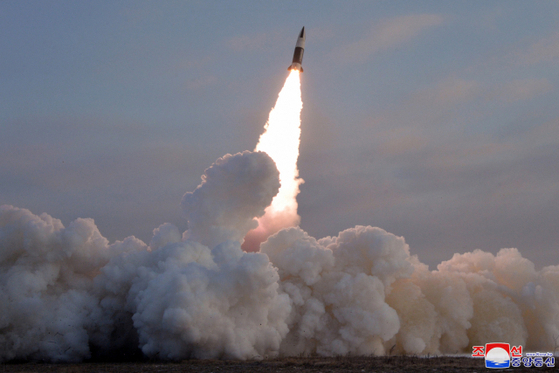
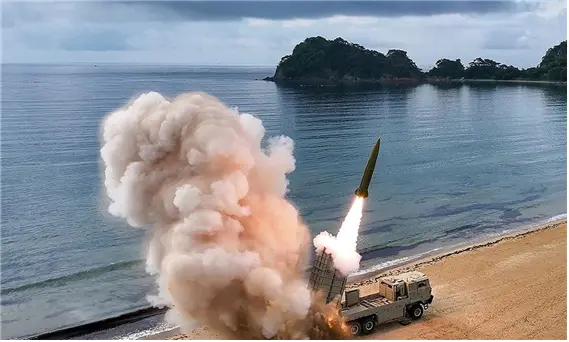
North Korea launched more than 10 short-range ballistic missiles toward the East Sea on the 29th. It was the first such launch in 17 days, since it fired ballistic missiles from the Pyongyang area on the 12th. With military tensions between the two Koreas rising recently over a mine explosion incident in the Demilitarized Zone (DMZ), the large-scale missile launch came just six days after the South Korean government proposed military talks aimed at preventing accidental clashes around the Military Demarcation Line (MDL).
South Korea's Joint Chiefs of Staff said it detected more than 10 short-range ballistic missiles (SRBMs) launched from the Wonsan area of North Korea toward the East Sea at around 12:30 p.m. that day. The missiles flew about 250 km, and South Korean and US intelligence authorities are conducting a detailed analysis of flight parameters, including altitude and speed.
The Joint Chiefs of Staff said South Korean and US military authorities had closely monitored related movements from the stage when North Korea was preparing the launches, and detected and tracked the missiles immediately after launch. South Korea's military has strengthened its surveillance and alert posture against the possibility of additional launches, and is closely sharing information on North Korean ballistic missiles with the United States and Japan. The JCS stressed that, backed by a robust U.S.–South Korea combined defense posture, it is monitoring North Korea's various military activities and maintaining the capability and readiness to respond overwhelmingly to any provocation.
Immediately after North Korea's missile launch, the National Security Office held an emergency security situation review meeting attended by officials from relevant agencies including the Defense Ministry and the Joint Chiefs of Staff. At the meeting, the office reviewed the South Korean military's response, analyzed and assessed the impact of the launch on national security, and urged related agencies to ensure that necessary measures are carried out without disruption.
The National Security Office said North Korea's repeated ballistic missile launches constitute a violation of UN Security Council resolutions, calling them "a grave act that does not help manage the current situation" and urging an immediate halt. The UN Security Council has banned launches using ballistic missile technology in connection with North Korea's nuclear and missile development, and North Korea has continued related launches and weapons system tests this year as well.
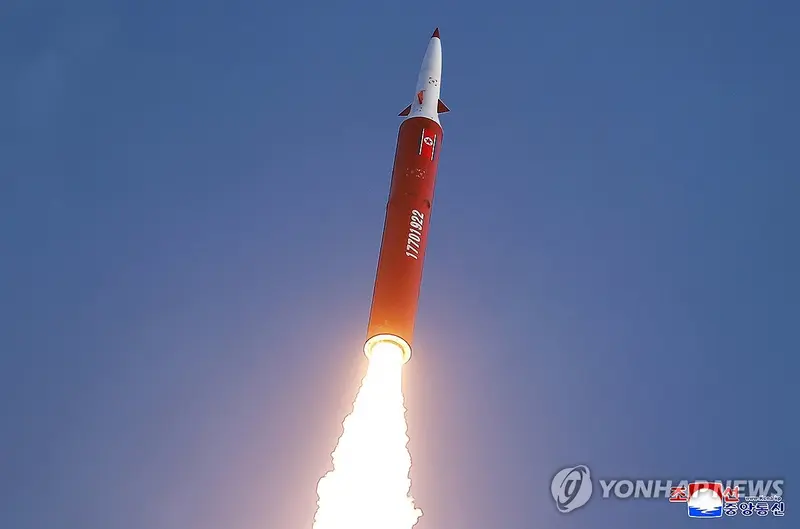
This launch came 17 days after North Korea fired multiple ballistic missiles from the Pyongyang area toward the East Sea on the 12th. Some of the missiles detected by South Korea's military at the time flew more than 900 km, and the next day North Korea claimed through the Korean Central News Agency that it was a test to verify achievements in improving the core technological elements of tactical ballistic missiles.
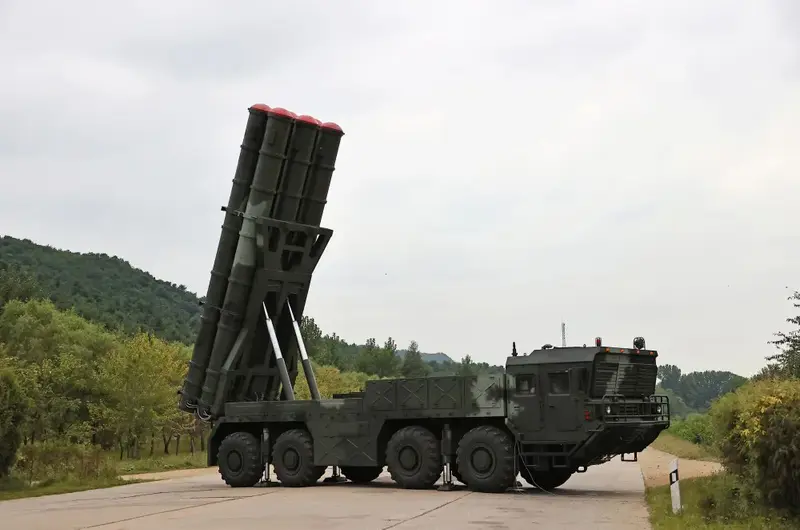
There is also speculation in and around the military that the missiles launched by North Korea that day may have been rounds fired from its 600 mm super-large multiple rocket launcher, the KN-25. North Korea's 600 mm super-large multiple rocket launcher is a weapons system capable of firing several rounds in a short period using multiple launch tubes, and South Korean and US military authorities classify it as a short-range ballistic missile. Some assessments say the number of launches detected this time and the flight distance match the operational characteristics of that system, but further analysis by South Korean and US intelligence authorities is needed to determine the exact type and purpose of the launch.
As tensions in border areas persisted, the government formally proposed talks between South and North Korean military authorities on the 23rd. In a statement at the time, Kim Hong-cheol, head of the Defense Ministry's Defense Policy Office, proposed that the two sides mutually confirm the exact location of the Military Demarcation Line, restore military communication lines, and discuss measures to prevent accidental clashes. He also said trilateral talks including the United Nations Command would be possible if necessary, but North Korea has yet to respond to the proposal.
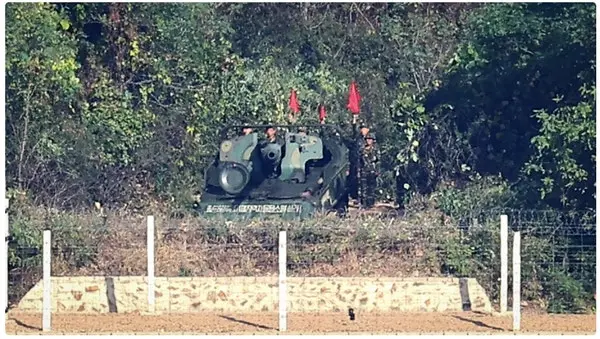
North Korea has shown little response to the proposal for military talks, while self-propelled guns have been observed near the border and ballistic missile launches have continued, leaving prospects for easing tensions uncertain. South Korea's military is maintaining readiness while closely monitoring the possibility of additional North Korean missile launches and military movements in frontline areas.