AnchorPost

Poland, Australia, and Canada missed opportunities for K-class vessels, but Hanwha Ocean rebounds with priority negotiations for a 680 billion won frigate in Thailand

Hanwha Ocean, which has missed consecutive ship exports to Poland, Australia, and Canada, has been selected as the priority negotiation target for Thailand's next-generation frigate, paving the way for a rebound.

강병지

Published

Hanwha Ocean has been selected as the priority negotiation target for the Royal Thai Navy's next-generation frigate introduction project. It was notified of this on the 8th and announced it on the 9th, with a contract scale of 683.3 billion won (16.73 billion baht). This project involves the construction of one frigate and the provision of integrated logistics support.

This selection comes as a result amid a series of recent setbacks in ship exports. The Korean shipbuilding industry has ceded the Polish Orca submarine project to Sweden's Saab, the Australian next-generation frigate (SEA3000) project to Japan's Mitsubishi Heavy Industries, and just two months ago, even the Canadian next-generation submarine project, estimated at up to 60 trillion won, was handed over to Germany's TKMS. As of the end of July this year, the K-defense export order amount is reported to be about 8 billion dollars, which is half of the previous year.
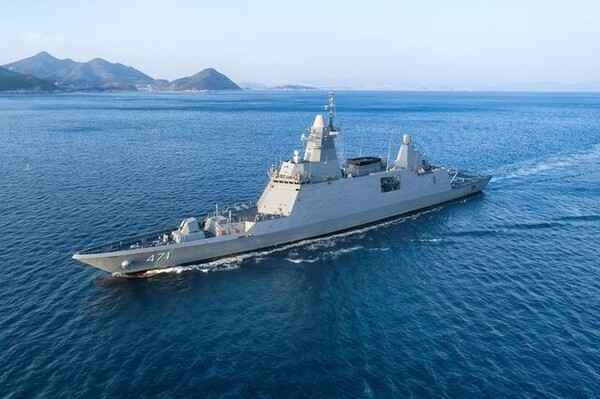
한화오션이 건조한 푸미폰 아둔야뎃함, 한화오션

The foundation for this rebound was the proven operational performance. Hanwha Ocean's predecessor, Daewoo Shipbuilding & Marine Engineering, won the contract for the 3700-ton class frigate 'HTMS Bhumibol Adulyadej' in Thailand in 2013 and delivered it in 2018, and this vessel is currently operated as the flagship of the Royal Thai Navy. The accumulated experience in operation, maintenance, and parts procurement over 8 years is evaluated to have led to the follow-on vessel order. In this bidding competition, six companies from four countries, including Spain, Singapore, and Turkey, participated, and Hanwha Ocean was reported to be the only company that passed the qualification and technical evaluations.
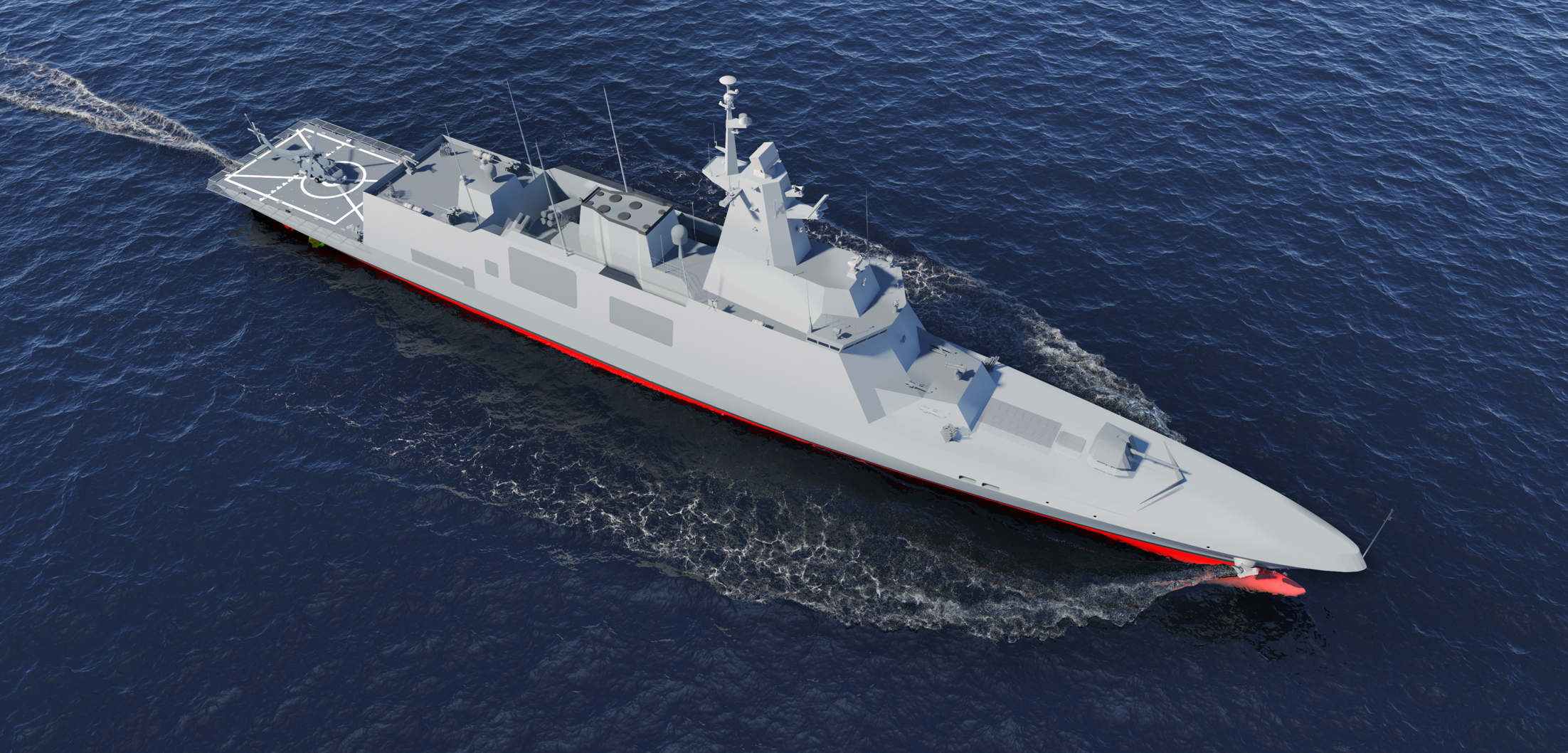
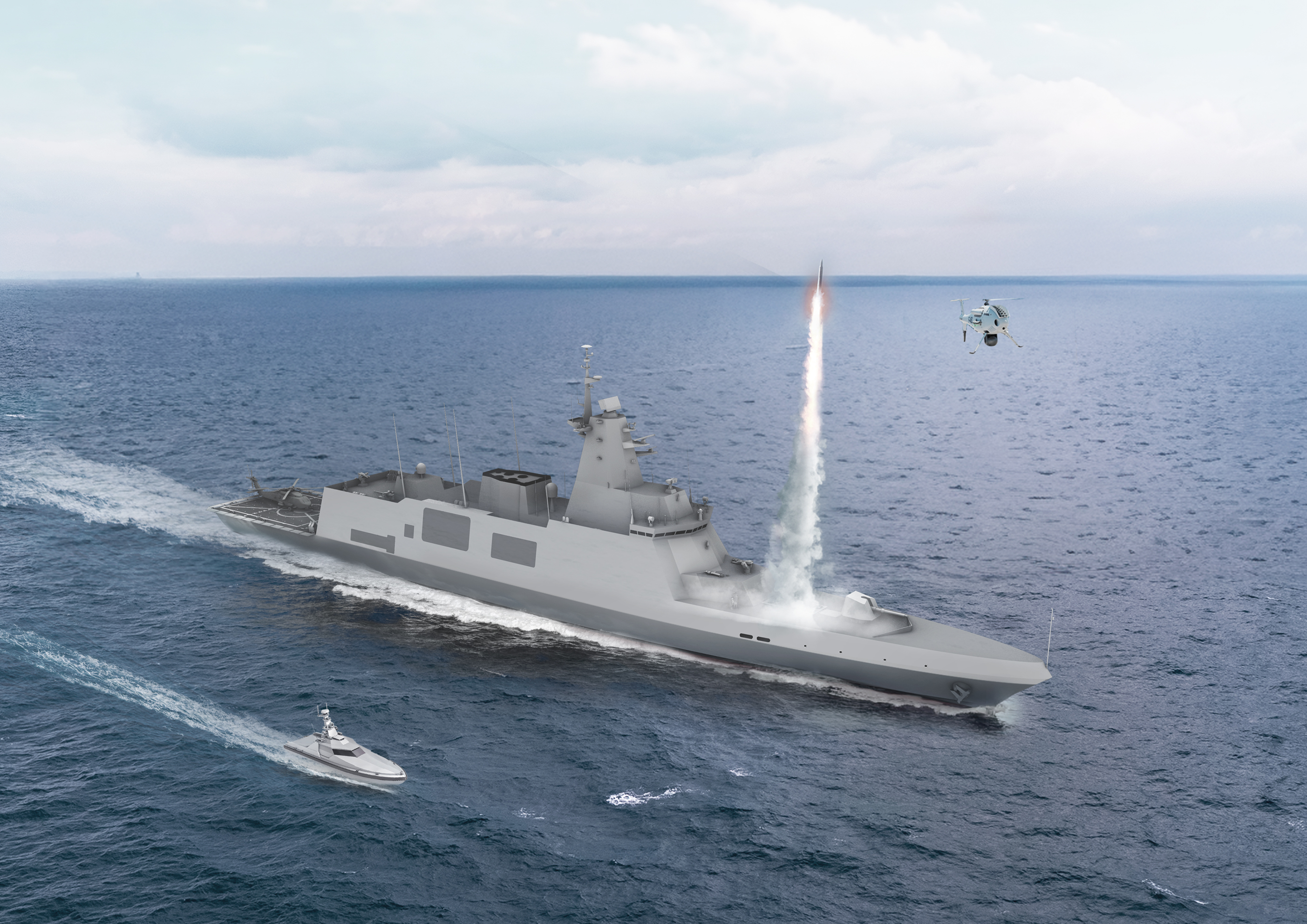
태국왕립해군에 제안한 OCEAN-40F 상상도(1), 한화오션태국왕립해군에 제안한 OCEAN-40F 상상도(2), 한화오션

The proposed vessel is a 4000-ton class 'OCEAN-40F', which is based on the HTMS Bhumibol Adulyadej, with a hull enlarged by about 250 tons and enhanced capabilities for anti-ship, anti-air, anti-submarine, and unmanned aerial vehicle responses. It was unveiled at the Bangkok Defense and Security Exhibition 'D&S 2025' last year. The Royal Thai Navy has stated in its '2023 Naval White Paper' that it plans to increase its frigate fleet from the current 4 to 8 by 2037, leading to projections that if an additional 3 vessels are ordered, the total project scale could reach up to 4 trillion won.
More Defense coverage

Recommended

  1. The reason for losing 50 to 50: The Canadian submarine was differentiated not by performance but by structure.The reason for losing 50 to 50: The Canadian submarine was differentiated not by performance but by structure.

    12 Canadian submarines go to Germany. Despite Korea's proven track record, it was blocked by the NATO alliance but left the possibility of re-emerging as a reserve supplier.

  2. Dosan Ahn Chang-ho, the First Pacific Crossing in Korean Submarine History… Could It Be the Decisive Blow in the ₩60 Trillion Canada Bid?Dosan Ahn Chang-ho, the First Pacific Crossing in Korean Submarine History… Could It Be the Decisive Blow in the ₩60 Trillion Canada Bid?

    The ROK Navy's 3,000-ton submarine Dosan Ahn Chang-ho (SS-III) entered the Canadian naval base at Esquimalt, Victoria, on May 23 (local time). It is the first time a Korean submarine has crossed the entire Pacific.

  3. North Korea said "No soot means fake," but thermal protection principles point the other wayNorth Korea said "No soot means fake," but thermal protection principles point the other way

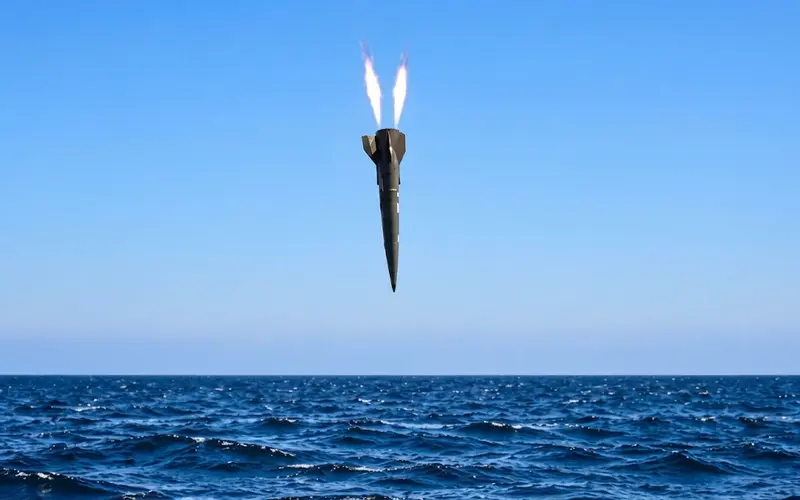
    North Korea says 1,000 km, while South Korea and Japan put it at around 700 km. The inter-Korean hypersonic competition has shifted from speed to a dispute over numbers and "soot."

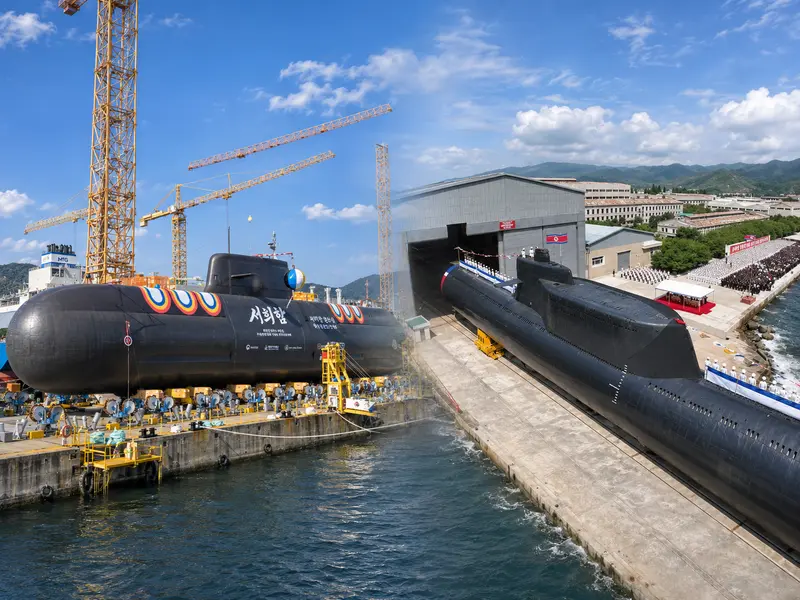
  4. 3,600-ton-class Seo Hui launched as the two Koreas race to bolster undersea forces3,600-ton-class Seo Hui launched as the two Koreas race to bolster undersea forces

    Fitted with domestically developed lithium batteries and vertical launch tubes, it is set to be delivered to the Navy and enter service in 2028 North Korea's Kim Gun-ok Hero also has 10 vertical launch tubes, underscoring a race to expand underwater strike capabilities

More articles

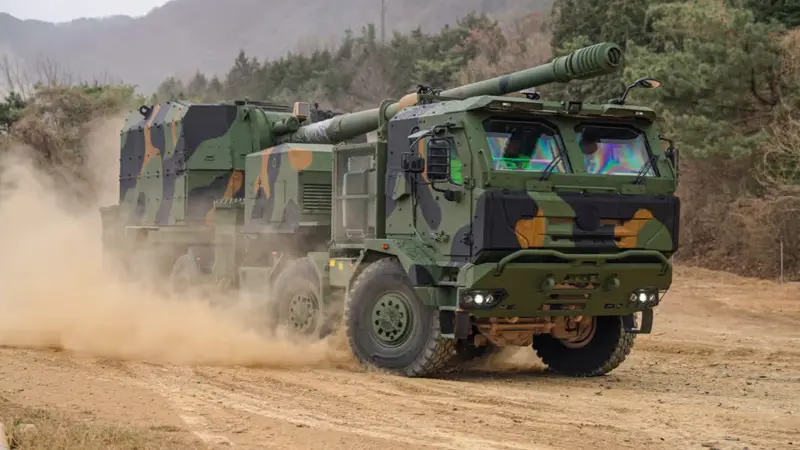
  1. U.S. Army orders 3 more K9 wheeled self-propelled howitzer prototypes, raising total to 9U.S. Army orders 3 more K9 wheeled self-propelled howitzer prototypes, raising total to 9

    U.S. Army has 9 K9 wheeled self-propelled howitzer prototypes under contract; first unit delivered, designated 'XM1776,' production hinges on 4 years of testing

  2. Hanwha Systems posts strong third-quarter earnings, operating profit up 60.5% year on yearHanwha Systems posts strong third-quarter earnings, operating profit up 60.5% year on year

    Revenue rises 30.1% on expanded Middle East Cheongung-II radar exports and domestic defense mass-production programs Defense segment operating profit reaches 76.0 billion won, 50.8% above market forecasts

  3. LIG D&A faces possible revocation of its defense contractor designation after a 2-year bidding ban, adding uncertainty to counter-drone fieldingLIG D&A faces possible revocation of its defense contractor designation after a 2-year bidding ban, adding uncertainty to counter-drone fielding

    DAPA has asked the Ministry of Trade, Industry and Energy to review revoking LIG D&A's defense contractor designation for the small unmanned aircraft response system, affecting a 122.3 billion won project The agency approved the maximum 24-month bidding ban over bribery and cost-fraud allegations, and is also considering clawing back hundreds of billions of won in incentive profit

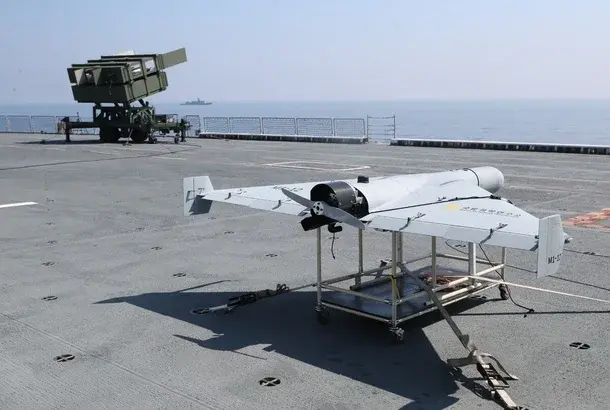
  4. After dozens of successful ground launches, suicide drone crashes within 4 seconds in first sea testAfter dozens of successful ground launches, suicide drone crashes within 4 seconds in first sea test

    A domestically developed medium-sized suicide UAV crashed immediately after launch in both attempts during its first sea trial, and the program was concluded without a retest.