The era of a 70 trillion won defense budget, two pillars within the budget proposal: promises kept and new frontlines drawn.
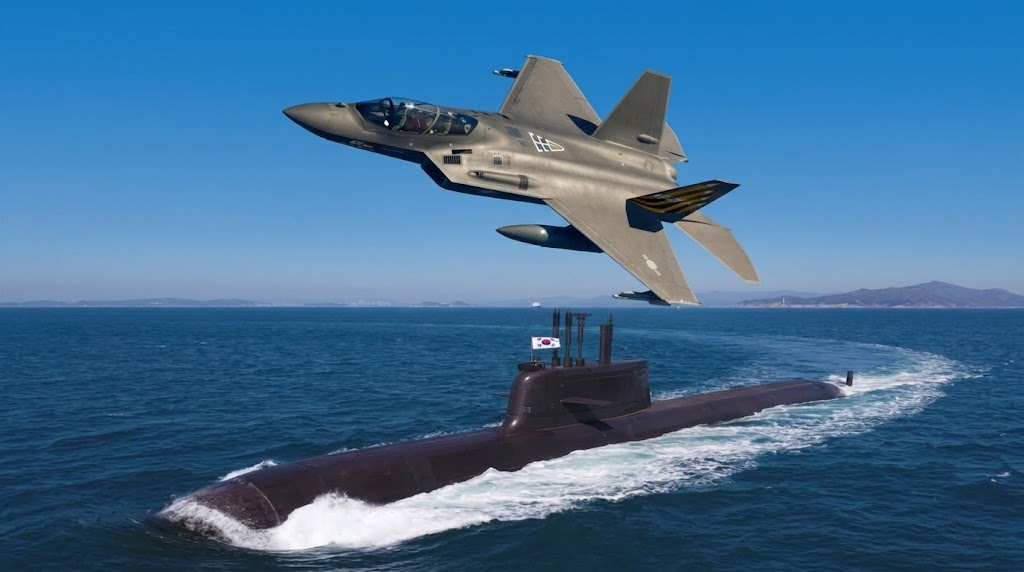
The first 70 trillion won defense budget since the establishment of the military doubled the production cost of the KF-21 to keep promises and allocated a budget for nuclear-powered submarines for the first time, opening a new front.
강병지
Published
■ What the numbers do not tell.
The defense budget for next year has been set at 73.2777 trillion won. This is an increase of 8.2% from this year's 67.7040 trillion won, amounting to an increase of 5.5737 trillion won. This is the first time that the defense budget has exceeded 70 trillion won since the establishment of the military, and the growth rate is the highest since 2008. The ratio compared to the gross domestic product is at 2.33%, a slight increase from this year's 2.28%. The government has submitted this proposal to the National Assembly after approval at the Cabinet meeting.
However, the numbers alone only explain half of this budget proposal. More important than the amount of 70 trillion won is what this money proves and what it starts anew. In this article, I would like to read the 2027 defense budget through two pillars. One is the pillar that received the promise that had been shaken throughout the first half of the year back as a budget, and the other is the pillar that has placed a capability that has not been in the budget until now for the first time.
Examining the budget by sector reveals the weight distribution. The operational costs for military operations and soldier welfare have increased by 5.9% to 50.416 trillion won, and the budget for defense capability improvement, which is invested in weapon acquisition and technology development, has increased by 13.8% to 22.7112 trillion won. The budget for military administration has increased by 1.4% to 524.9 billion won. Notably, the increase in the defense capability improvement budget is significant. It has increased by approximately 2.8 trillion won, marking the largest increase in history, with about half of the total budget increase focused on weapons and technology. Excluding changes in accounting standards such as the transfer of military pension funds, the real growth rate rises to 9.0%. The trend of filling the gap with equipment instead of reducing personnel is clearly reflected in the numbers. Compared to the gradual increase in recent years, this 8.2% increase rate represents a clear directional shift.
■ First Pillar: "We will deliver the KF-21 as scheduled"
Shaken promises.
Until early this year, the future of the KF-21 was not bright. In January, there were predictions that the operationalization could be delayed due to significant cuts to the budget for the first production batch. It was reported that about 800 billion won was cut from the initial budget of 1.5 trillion won for the first production quantity. In fact, the amount requested by the Air Force for the 2026 project was 2.2623 trillion won, but only 1.4181 trillion won was allocated, which was 844.2 billion won short. There were also analyses suggesting that the budget was skewed due to several large projects being pursued by the Air Force at the same time. This revealed the financial barriers from the starting line of the domestic fighter jet project.
The problem did not stop at the initial production. The costs for the follow-up production quantity, known as Block-II, equipped with air-to-ground weapons, surged. When the mid-term defense plan was approved in August 2024, the estimated cost was 14.244 trillion won, but a detailed review by a national research institute revealed that it had increased to 18.4422 trillion won. This was an increase of nearly 4 trillion won, or close to 30%. This was the result of rising prices due to the aftermath of war, soaring exchange rates, and supply chain instability. Additionally, with the extra budget needed for enhancing air-to-ground weapons, the cost burden for follow-up production grew even before it began.
The increase in costs immediately led to discussions about schedule adjustments. In April, reports emerged that the head of the Defense Acquisition Program Administration and the Chief of Staff of the Air Force met to discuss postponing the completion date of the KF-21's operational capability from 2032 to 2036, a four-year delay. It was mentioned that more than one-third of the budget for the introduction of the KF-21 was needed for defense capability improvement, making it difficult to manage. The Air Force's situation was also urgent. The KF-21 is intended to replace the aging fighter jets F-4 and F-5, with the F-4 already set to retire in 2024 and the F-5 gradually retiring by 2028. If the operational capability is delayed, the gap will have to be filled by aging aircraft that have exceeded their lifespan. Additionally, as neighboring countries are deploying fifth-generation fighter jets, the delay in our fifth-generation fighter development could create a gap in airspace protection. Considering the symbolic nature of the domestic fighter project, the four-year delay was not just a scheduling issue but a fracture that could shake the entire narrative of self-defense.
Evolution.
This fracture was sealed in June. On June 2, during a Cabinet meeting, President Lee Jae-myung directly asked the Deputy Minister of the Defense Acquisition Program Administration whether the delay in operational capability due to budget shortages was true, and the Deputy Minister confirmed that the production of the KF-21 would proceed as scheduled. The Defense Acquisition Program Administration officially stated that there would be no disruption to the operational schedule and that it would be completed as planned by 2032. Just two months after the possibility of a four-year delay was mentioned, the government directly dismissed it.
However, at this point, the "no delays" statement was still just words. If financial backing does not follow, the commitment to proceed as planned could be overturned at any time. Since the delay discussions in the first half of the year originated from the lack of funds, the authenticity of the promise could ultimately only be determined in the next budget proposal. The confirmation in June was merely a declaration that set the direction, but whether the budget would support that direction was a separate issue.
Proof
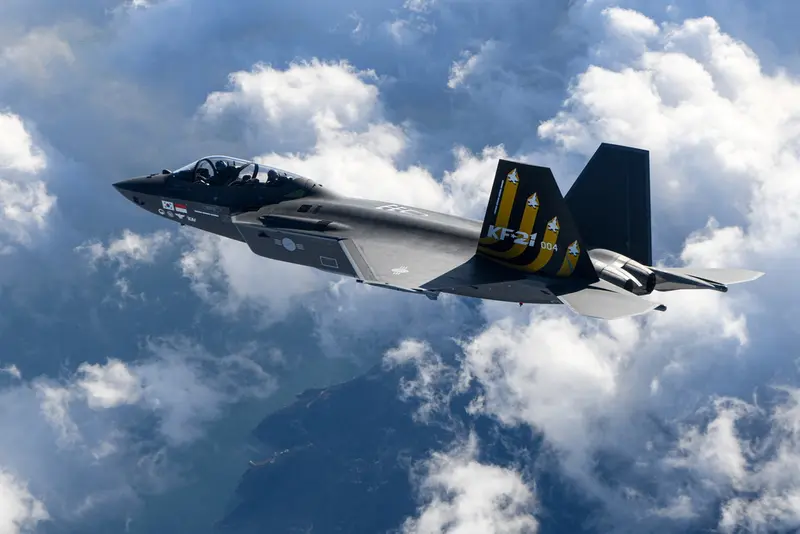
The answer is contained in this budget proposal. The production cost of the KF-21 has been allocated from 1.4 trillion won this year to 3.3 trillion won next year. An increase of 1.9 trillion won, more than double. Since the fundamental reason for the delay in the first half of the year was a lack of budget, the more than double increase can be seen as a response to the budget in June.
What is noteworthy is the scope covered by this budget. The 3.3 trillion won is not only allocated for the initial production in early next year, but it is also reported to include the portion needed to simultaneously commence the follow-up production, which had been controversial due to cost surges. This targets the two-fold causes that led to the reduction of the initial production budget and the increase in costs for the follow-up production, as well as the rumors of delays in the first half of the year. The fact that it addresses both roots of the delay concerns means that this increase is closer to a budgetary arrangement that responds to the structure of the problem rather than simply increasing the amount.
The weight of the allocation is also reflected in the procedures. The delay discussions in the first half of the year were matters that were addressed in the public forum through media reports and National Assembly inquiries, and in June, the president directly obtained a confirmation on the issue during a Cabinet meeting. The fact that a commitment publicly nailed down by the highest level of government was backed by a budget three months later shows that the KF-21 project is moving with political weight beyond inter-departmental coordination. The speed at which the gap between promises and budgets has narrowed indicates the priority of this project.
Progress outside the budget also adds weight to the promises. The KF-21 held its first production aircraft rollout ceremony on March 25 in Sacheon, Gyeongnam. The event was attended by over 500 people, including the President, the Minister of National Defense, the Chief of Staff of the Air Force, diplomats from 14 countries, and Air Force cadets. With this, South Korea became the eighth country in the world to independently develop advanced supersonic fighter jets. It has been 25 years since the then-President declared the development of a domestic fighter jet at the Air Force Academy graduation ceremony in March 2001, and since the main contract in 2015, six prototype aircraft have undergone 955 ground tests and 1,601 flight tests, reaching this milestone. The budget allocated was approximately 8.8 trillion won, which has been referred to as the 'largest weapon development project since Dangun'.
The development process was not smooth either. Key avionic equipment, including the Active Electronically Scanned Array (AESA) radar, had to shift to independent development due to the failure of overseas technology transfer, and after overcoming that hurdle, they succeeded in domestic production. The background behind the acute perception of budget delays was the paradox that a lack of funds could prevent timely achievement of technological successes.
Verification after release has also been passed in succession. On May 7, it received a combat suitability assessment, the final hurdle of the development project, and in mid-June, it passed all 745 inspection items across 14 areas, including aircraft structure, weapon integration, and electronic systems, at the airworthiness certification review committee. The first production unit released is expected to undergo performance verification procedures and be deployed to the Air Force in September. The initial allocation will be deployed to the combat flight squadron being re-established at the 16th Fighter Wing in Yecheon, Gyeongsangbuk-do, and the government maintains its plan to prioritize the operationalization of 40 Block-I units by 2028 and add another 80 by 2032, totaling 120 units.
Ultimately, the message that the Defense Acquisition Program Administration has repeatedly conveyed through external channels, "proceeding without delays," has become a promise backed by finances with this budget proposal. The key point of the first pillar lies here. The 70 trillion won budget has kept a promise that was shaken before starting something new.
■ Second pillar: New projects for self-defense.
The second pillar begins with an item that has not existed in the budget until now: nuclear-powered submarines.
The first allocation for nuclear submarines.
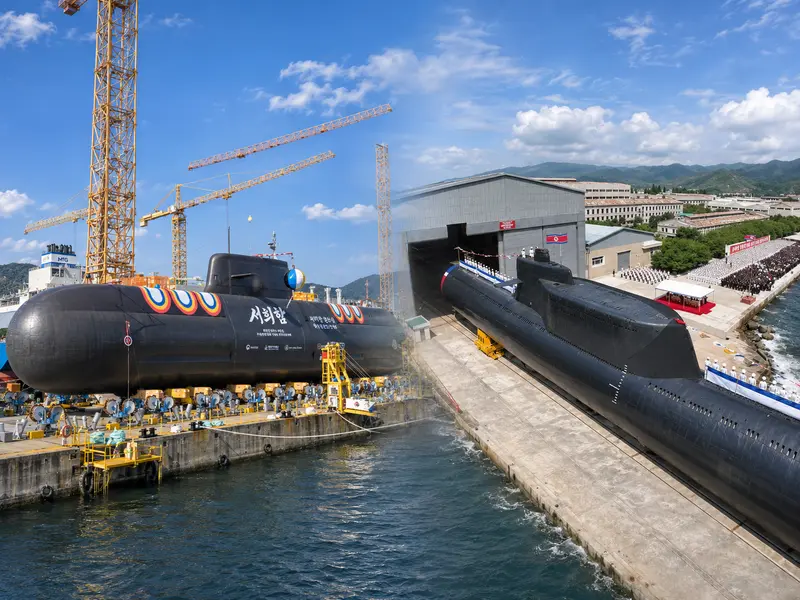
This budget proposal includes 96.6 billion won for the initiation and design of the nuclear-powered submarine project for the first time. The government has named this project 'Jangbogo N', aiming for the launch of a lead ship in the mid-2030s. Budget-wise, it has been allocated under the existing conventional submarine plan 'Jangbogo-III Batch-III', but the project name that referred to conventional submarines has now been classified as a nuclear-powered submarine. While it may seem like a small item within the 73 trillion won budget, the fact that a budget related to nuclear-powered submarines has been explicitly stated in the defense budget for the first time since the establishment of the military is highly significant.
Nuclear-powered submarines are strategic assets capable of covertly monitoring and tracking enemy submarines and maritime traffic routes based on their long submerged endurance. Unlike diesel submarines, which must periodically surface to recharge their batteries, the nuclear propulsion method allows them to remain underwater for months, providing a different level of stealth and endurance. For this reason, they have long been discussed as a symbol of self-defense and the transition of wartime operational control. In a meeting chaired by the president last May, the Minister of National Defense reported on the basic development plan, revealing the outline of the project, and the government is also pushing for the enactment of related special legislation. It is reported that the special law allows for the exclusion of this project from mandatory feasibility studies required before acquiring large weapon systems and includes a plan to integrate the basic and detailed designs. This is a move to accelerate the development speed. The fact that an initial budget of 96.6 billion won has been allocated itself marks the first time that the long-discussed asset has been drawn onto the budget.
The background of this allocation is time constraints. The schedule for the Korean military to secure independent surveillance, reconnaissance, and anti-submarine capabilities in line with the transfer of wartime operational control has been interpreted as the driving force that brought this long-delayed project into the budget. Of course, just because the initial budget has been allocated does not mean the project will proceed smoothly. To securely obtain low-enriched uranium, which will be used as fuel for the propulsion reactor, a separate Korea-U.S. agreement is needed to handle military nuclear fuel, and the authority for uranium enrichment and spent nuclear fuel reprocessing must go through amendments to the nuclear agreement and scrutiny by the U.S. Congress. While related discussions are ongoing, they have not yet been finalized. The 96.6 billion won is merely a down payment for that long journey. However, the fact that an asset that has only been discussed has finally made its way into the budget marks this allocation as a significant turning point.
The overarching framework of operational control
The logic connecting the nuclear submarine budget and the increase in the KF-21 budget is the transition of wartime operational control. The government has set a policy to secure key capabilities necessary for establishing a Korea-led combined defense system in preparation for the transfer of wartime operational control, increasing the budget for the introduction of these key capabilities from 18.6 trillion won this year to 21.3 trillion won next year. This represents an increase of about 2.7 trillion won compared to this year, indicating the intention to expedite the acquisition of capabilities necessary for the Korean military to lead combined defense after the transfer of operational control.
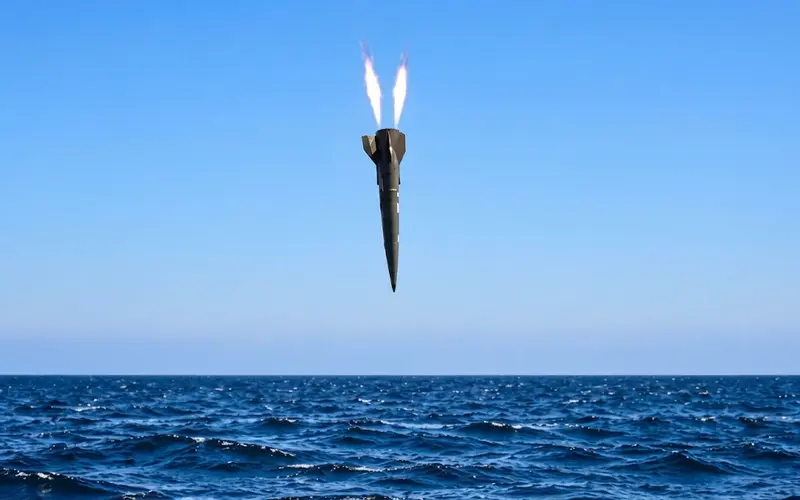
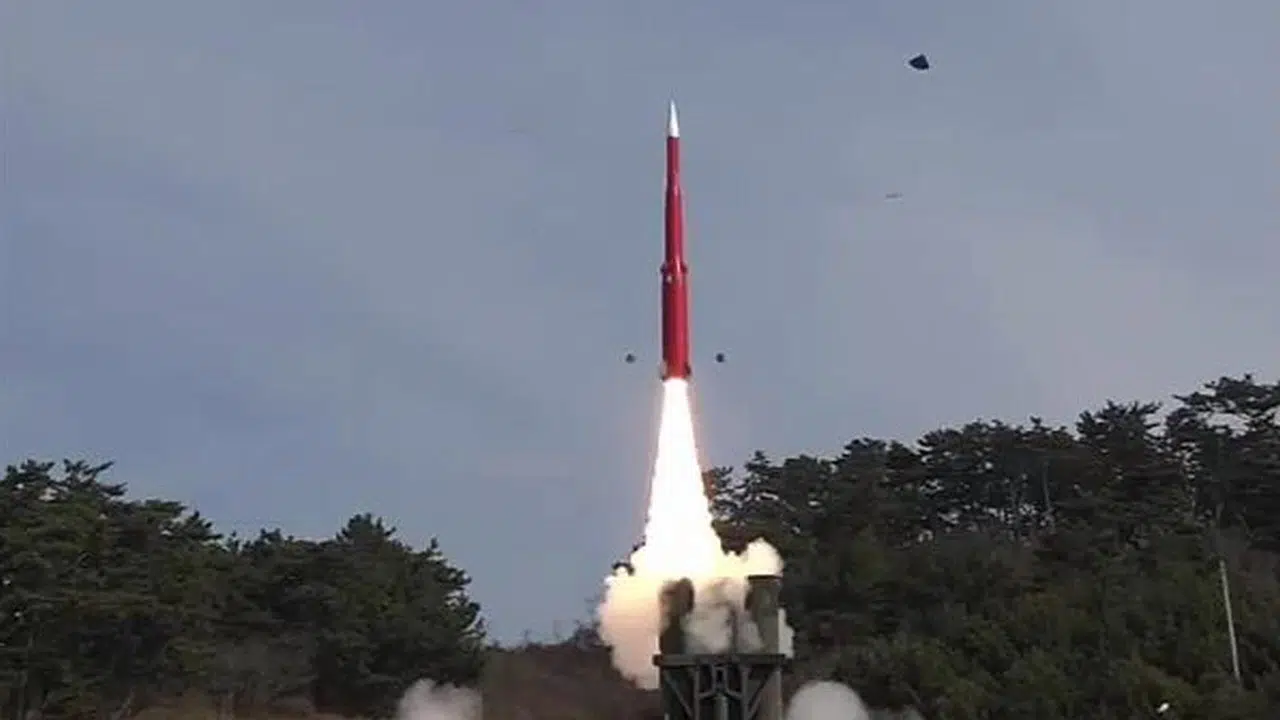
The commencement of the KF-21 production and the nuclear-powered submarine project, as well as the early operationalization of the long-range surface-to-air missile (L-SAM), which is the core of the Korean missile defense system (KAMD), and the production of unguided missiles for firepower specialization, are all encompassed within this framework. In particular, a separate budget has been allocated to advance the operationalization timeline of the long-range surface-to-air missile (L-SAM) by about one year. The answer to the question of why so much money is being poured in now lies in the deadline for the transfer of operational control.
Advanced and unmanned capabilities
A significant portion of the double-digit increase in the defense capability improvement budget has been directed towards advanced capabilities. Investment in unmanned and manned hybrid systems, which include artificial intelligence, robotics, and drones, has expanded from 800 billion won to 1.2 trillion won, and the defense artificial intelligence budget has also increased to around 360 billion won. The development of suicide-type swarm drones that will take on both reconnaissance and strike roles has begun, while multi-layered defense systems against drone threats are also being strengthened. This is a translation of the government's slogan of transitioning from a personnel-centric military to a technology-centric military into budget items.
Investment in people.
The budget is not just about capabilities. In response to the decrease in military resources, improvements in the treatment of junior officers have been made, and a new savings support program for short-term service non-commissioned officers has been established, providing 300,000 won per month for three years. In the veterans' sector, compensation and honorarium for participation in the war have also been slightly increased. This means that finances have been allocated to support people behind advanced weapons.
■ A new beginning for the 70 trillion won defense budget.
The two pillars of the defense budget for 2027 are of different natures. The first pillar is a 'verified promise' that has regained its footing after being shaken throughout the first half of the year, while the second pillar represents a 'new front' exemplified by nuclear-powered submarines. The figure of 70 trillion won stands at the intersection of these two. The promise that has already been made has been kept with the budget, and the capabilities that have not yet begun have taken their first step with the budget.
Widening the perspective, this budget is also the starting point for a longer trajectory. The government is in agreement with the United States to raise defense spending to 3.5% of GDP by 2035. Under the current government proposal, that ratio is at 2.33%. Breaking through 70 trillion won is the first step toward that goal. However, all of this is still a government proposal. The gateway of National Assembly deliberation remains, and how the promises kept and the new front drawn will be finalized in the final budget is a story for another time.
And at that gateway, other questions await. How the trajectory of raising defense spending to 3.5% of GDP will harmonize with fiscal conditions, whether the transition to advanced capabilities will keep pace with the reduction in troop numbers, and how controversial assets like nuclear-powered submarines will pass the threshold of budget review are all questions that arise. The 70 trillion won is not the destination but rather the entrance to a newly opened phase. The two pillars have merely pointed the direction of that phase.