US security expert warns South Korea-US North Korea policy is weakening deterrence, raises possibility of a North Korean second front in a Taiwan contingency
AEI's Dan Blumenthal criticizes the Lee Jae-myung and Trump administrations' North Korea policies in a Washington Post op-ed, also citing North Korea-Russia military cooperation and the possibility of a Chinese invasion of Taiwan
Estimates that a full-scale war on the Korean Peninsula could cost the global economy $4 trillion, highlighting the concentration of Samsung and SK hynix chip production facilities
Published
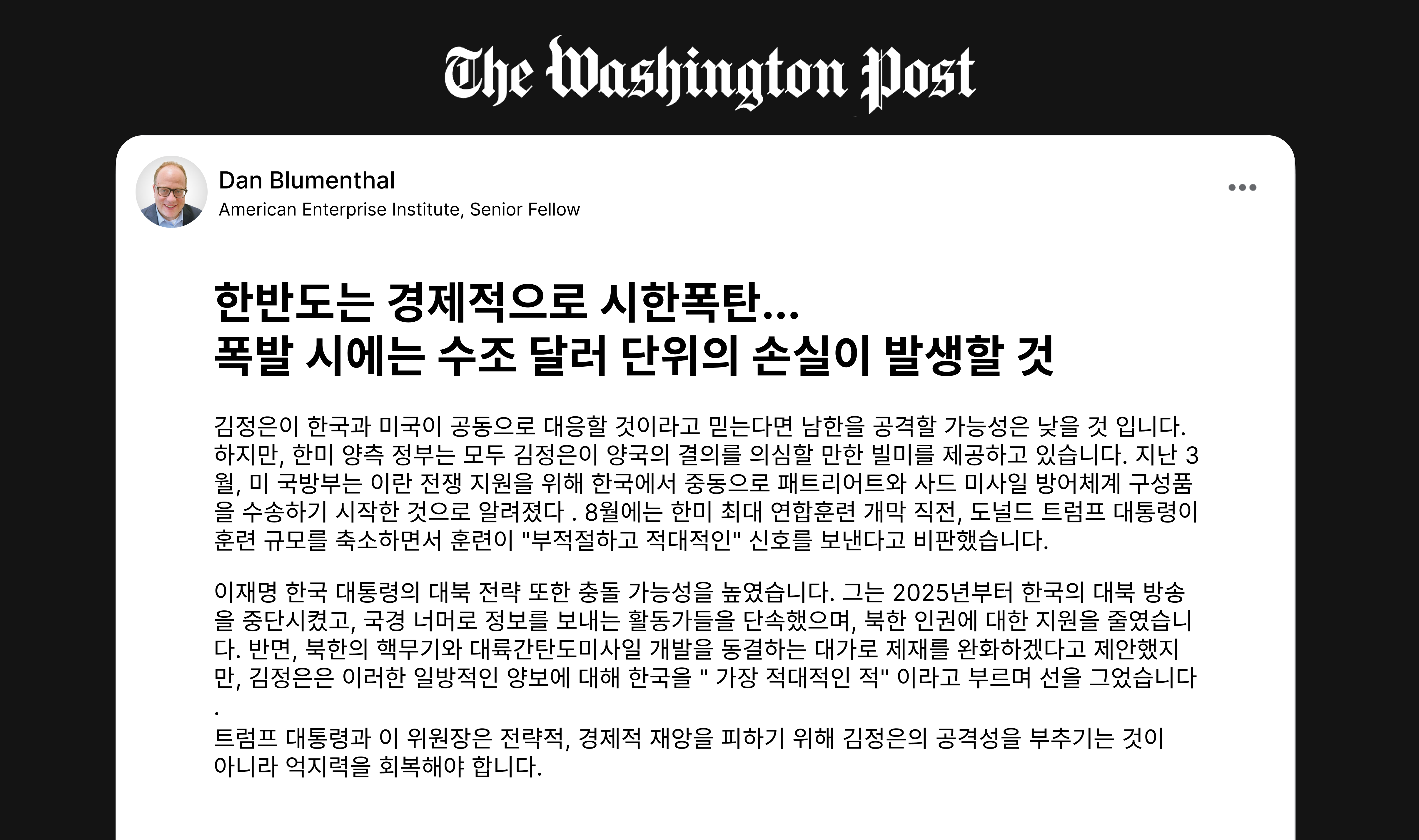
A US foreign and security expert has warned that the North Korea policies of the South Korean and US governments are sending the wrong signals to Pyongyang and increasing the risk of military conflict on the Korean Peninsula. He argued that as North Korea strengthens its capabilities through military cooperation with Russia while maintaining ties with China, any weakening in Seoul and Washington's willingness to deter Pyongyang would raise the chances of North Korea embarking on a military adventure. He also raised the possibility that if armed conflict breaks out in the Taiwan Strait, North Korea could open a second front on the Korean Peninsula, and said an attack on South Korea's semiconductor industry could inflict massive damage on the global economy.
Dan Blumenthal, a senior fellow at the American Enterprise Institute (AEI), made the argument in an op-ed published in The Washington Post on the 27th local time under the headline, "The Korean Peninsula is an economic powder keg. If it explodes, it could cost trillions of dollars." Blumenthal is an East Asia security expert who held a senior Pentagon post covering China, Taiwan and Mongolia during the George W. Bush administration and also served as a commissioner on the congressionally mandated US-China Economic and Security Review Commission.
Blumenthal said the Lee Jae-myung government halted loudspeaker broadcasts targeting North Korea last year, restricted the distribution of leaflets to the North and also proposed easing sanctions on the condition that North Korea freeze development of its nuclear weapons and intercontinental ballistic missiles (ICBMs). His assessment was that with North Korea's military threat continuing, South Korea's preemptive steps to ease tensions could weaken deterrence against Pyongyang.
He cited the land mine blast in the Demilitarized Zone (DMZ) on this past Sept. 21 as a representative example. At the time, three South Korean service members operating south of the Military Demarcation Line (MDL) were injured in the explosion. A subsequent joint investigation by the Joint Chiefs of Staff and the United Nations Command concluded that an antipersonnel mine planted by North Korean troops had exploded. Blumenthal criticized President Lee for continuing to pursue a resumption of US-North Korea talks and maintaining his willingness to ease tensions after the incident, questioning whether such a response would be effective in deterring further North Korean provocations.
North Korea had been pursuing a fundamental shift in inter-Korean relations even before the launch of the Lee Jae-myung government. In December 2023, North Korean State Affairs Commission Chairman Kim Jong Un defined inter-Korean ties as "relations between two hostile states," and in January 2024 ordered a constitutional revision specifying South Korea as the No. 1 hostile state. At the Supreme People's Assembly in March this year, North Korea also formally defined South Korea as the most hostile state. Those changes show that Pyongyang's hostile line toward the South was formed over a long period, and the impact of the South Korean government's de-escalation measures on North Korea's military actions requires separate assessment.
The Lee Jae-myung government has focused its North Korea policy on preventing accidental clashes between the two Koreas and creating conditions for dialogue. The Ministry of Unification's "Lee Jae-myung Government's Policy of Peaceful Coexistence on the Korean Peninsula," announced in February, presented three principles: respect for the North Korean system, no pursuit of absorption-based unification and no pursuit of hostile acts. Alongside easing military tensions, the government is also seeking a phased resolution of the North Korean nuclear issue, and in an interview with US media this past September, President Lee proposed starting with a freeze on North Korea's nuclear and missile development and then moving in sequence toward sanctions relief, arms reduction and denuclearization.
Scaled-back South Korea-US drills and North Korea-Russia military cooperation raise concerns over weakening deterrence
Blumenthal was also critical of the Donald Trump administration's North Korea policy. He cited Washington's move this past March to relocate some Patriot and THAAD (Terminal High Altitude Area Defense) components operated by US Forces Korea to the Middle East to support the war with Iran, followed in August by a reduction in the duration and scale of South Korea-US joint exercises.
South Korea and the United States shortened the Ulchi Freedom Shield (UFS) exercise held in August from the originally planned 11 days to five days, while also scaling back some field training exercises. At the time, President Trump said there was a need to reduce drills that send a hostile signal to North Korea, and South Korean and US military authorities said the exercise was adjusted so that key goals related to the combined defense posture could still be achieved despite the reduced scale.
Blumenthal voiced concern about a situation in which North Korea comes to doubt South Korea and the United States' willingness to respond jointly. The argument is based on deterrence theory, which holds that the more North Korean leaders judge the South Korea-US response to military provocations to be weak, the greater their incentive to take actions that could lead to armed conflict. He also gave a negative assessment of President Trump's push for a summit with Chairman Kim Jong Un, saying it could strengthen North Korea's strategic position.
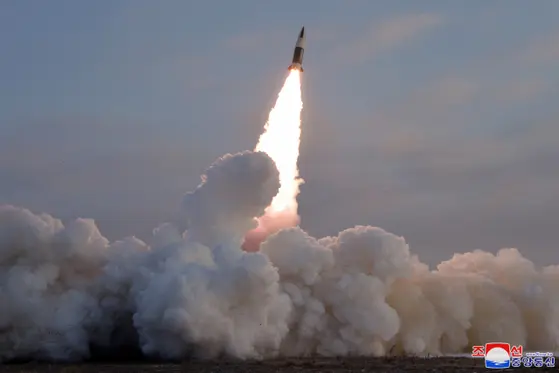
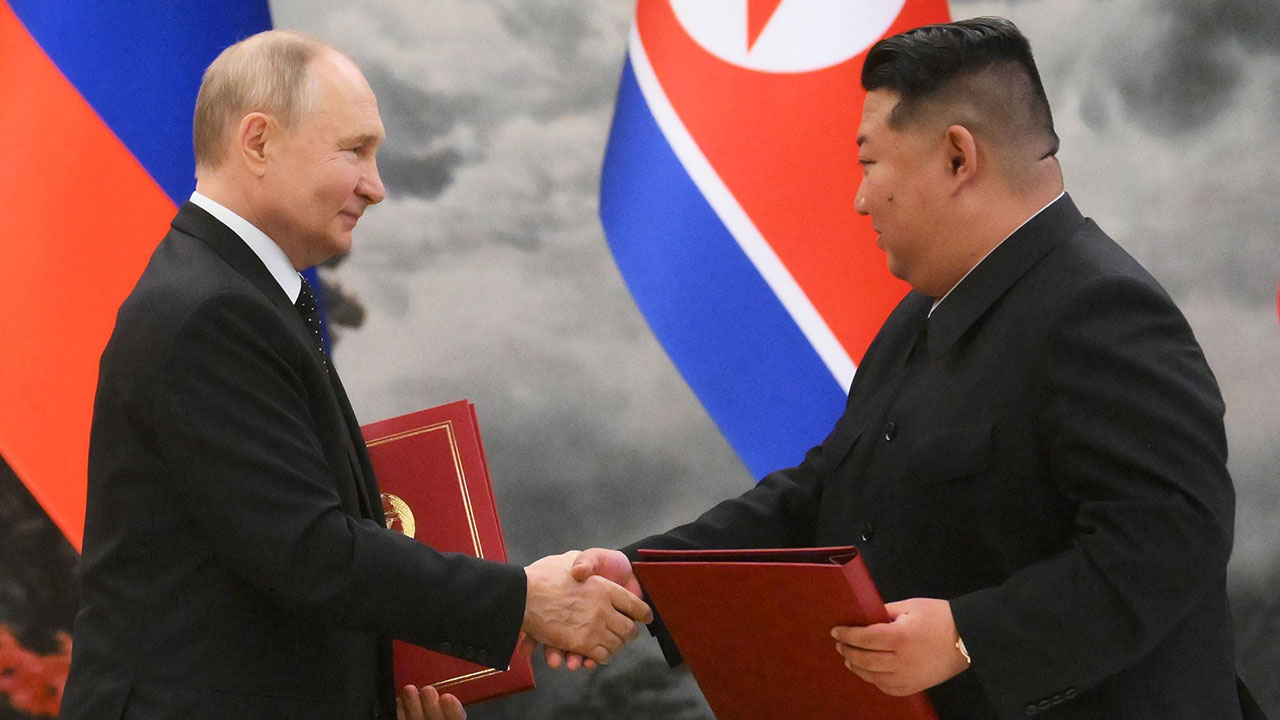
He also pointed to the expansion of North Korea's military cooperation abroad as a major risk factor. Blumenthal said North Korea had deployed about 14,000 troops to Russia, where they gained battlefield experience in the war in Ukraine, and noted that Russia is reported to have provided North Korea with military technology related to air defense and electronic warfare. He also said China continues to provide economic support to North Korea while not publicly pressing hard on the issue of its possession of nuclear weapons.
Particularly noteworthy was his suggestion that military conflict in the Taiwan Strait could spread to the Korean Peninsula. Blumenthal argued that if China were gaining the upper hand in a war with Taiwan, North Korea could attack South Korea while US forces were stretched thin, and that if China were at a disadvantage, Beijing could pressure North Korea to open a second front in order to divide US military power. This is a strategic scenario based on assumptions about North Korea's actions in the event of a China-Taiwan military clash, and no public evidence has emerged that China or North Korea is actually planning such joint military operations.
As for the South Korea-US alliance's deterrence against North Korea, the US extended deterrence commitment and the combined defense system remain in place. Through the Nuclear Consultative Group (NCG), Seoul and Washington are advancing a joint response framework to North Korea's nuclear threat, and at the fifth NCG meeting held in December last year, the US Defense Department reaffirmed its commitment to provide extended deterrence to South Korea using all military capabilities, including nuclear capabilities.
Full-scale war on Korean Peninsula could cost global economy $4 trillion in first year, concentration of chip production facilities seen as risk factor
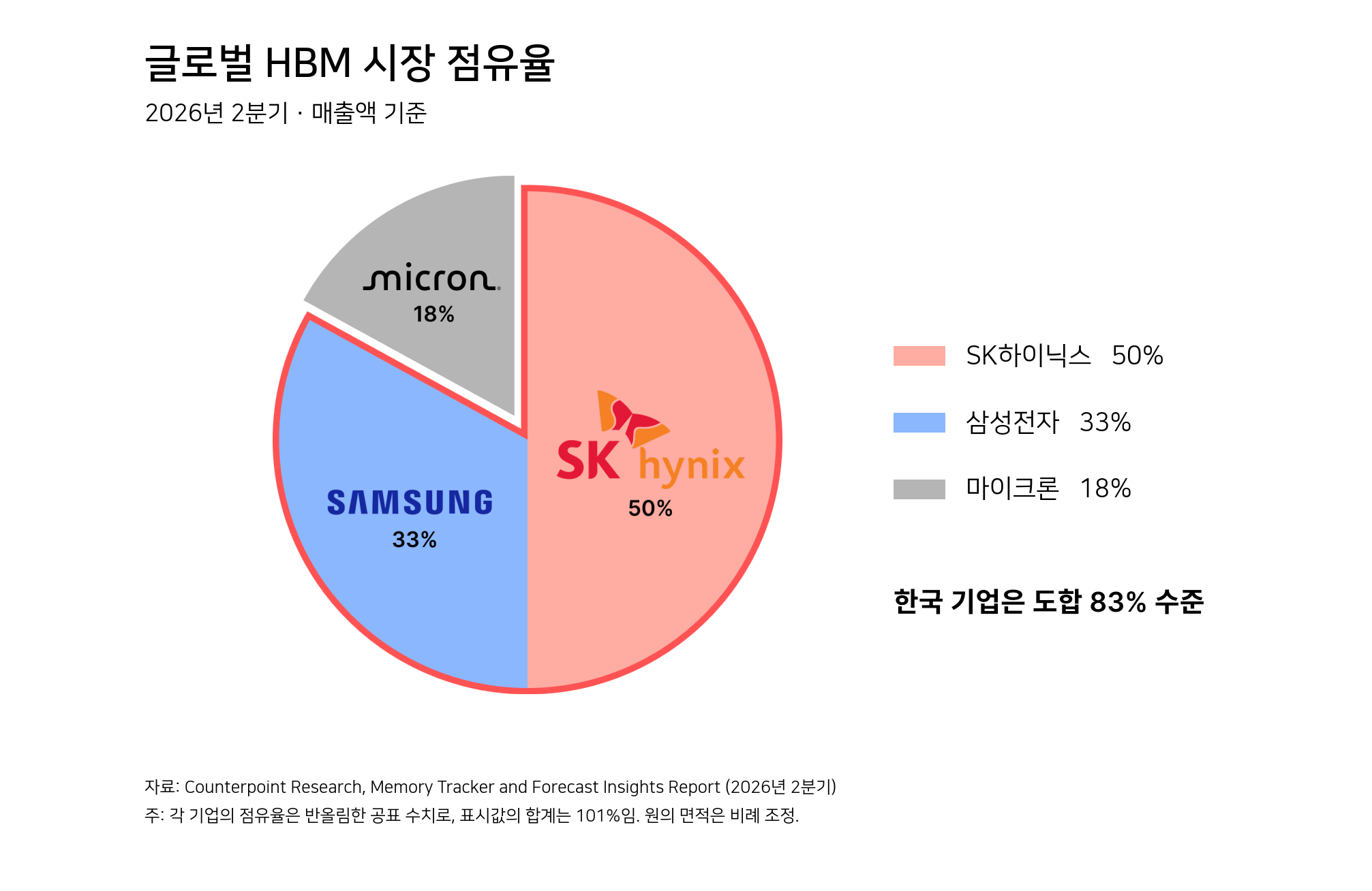
Blumenthal also focused on the damage a large-scale war on the Korean Peninsula could inflict on the global economy. South Korea accounts for an enormous share of the global semiconductor supply chain, and major production facilities are exposed to attack from North Korean missiles and long-range artillery, he said.
He said Samsung Electronics and SK hynix supply about two-thirds of the advanced memory semiconductors used in artificial intelligence (AI) accelerators. Major facilities, including Samsung Electronics' Pyeongtaek chip production complex, are within range of North Korean missiles, he said, adding that advanced semiconductor plants, which require precise manufacturing processes and massive capital investment, would be difficult to restore quickly or replace with facilities in other countries if destroyed.
Those concerns are based on a Bloomberg Economics analysis published in July 2024 on the economic fallout of a war on the Korean Peninsula. At the time, Bloomberg assumed a scenario in which a full-scale North Korean attack sharply curtails South Korea's semiconductor output and manufacturing sector while crippling major ports and maritime trade routes. It also estimated the shock to the global economy in the first year of war, including reduced trade between the United States and China and sharp volatility in international financial markets.
The analysis found that in the event of full-scale war, South Korea's gross domestic product (GDP) would fall 37.5 percent, China's 5.0 percent and the United States' 2.3 percent, while global GDP as a whole would shrink 3.9 percent. In dollar terms, that would amount to about $4 trillion in losses for the world economy. Citing the analysis in his op-ed, Blumenthal warned that a war on the Korean Peninsula could inflict massive damage on the global economy.
Bloomberg's simulation incorporated assumptions such as an 80 percent drop in South Korea's semiconductor production, a 40 percent decline in overall manufacturing output and a 70 percent contraction in the country's external trade. At the time of the analysis, Bloomberg assessed the likelihood of a full-scale war as very low and said the actual size of the economic shock could vary depending on the scope of the military conflict and the extent of damage to industrial facilities.
Blumenthal said that if semiconductor supplies were cut off by a war on the Korean Peninsula, the result would be a chain reaction including production disruptions for electronics manufacturers worldwide, higher prices for computers and smartphones, and delays in the construction of AI data centers. Given the global AI industry's production structure, which combines Taiwan's advanced system semiconductors with South Korea's high-performance memory chips, he said military conflict on the Korean Peninsula could have broad effects across the international economy and technology industries.
At the end of the op-ed, he argued that the risk of armed conflict on the Korean Peninsula and the threat to the international economy are growing, and urged President Trump and President Lee Jae-myung to strengthen the capability and willingness to deter North Korea's military actions.
The op-ed reflects concerns raised by a conservative US security expert that South Korea and the United States should reexamine their deterrence policy toward North Korea at a time when Pyongyang's growing nuclear and missile capabilities, North Korea-Russia military cooperation and shifts in US overseas military strategy are converging. As debate continues over the balance between de-escalation measures toward North Korea and maintaining military deterrence, the impact of the security situation on the Korean Peninsula on the global semiconductor supply chain and the international economy is also emerging as a major concern.