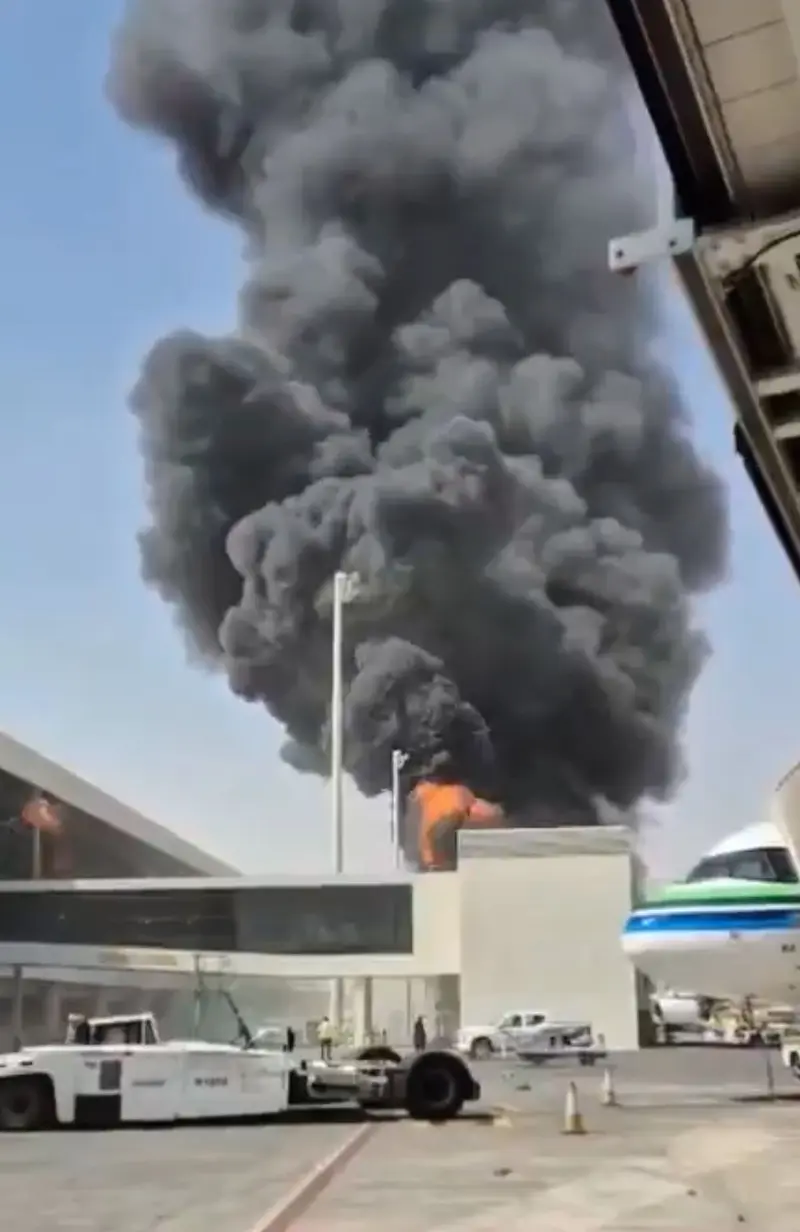
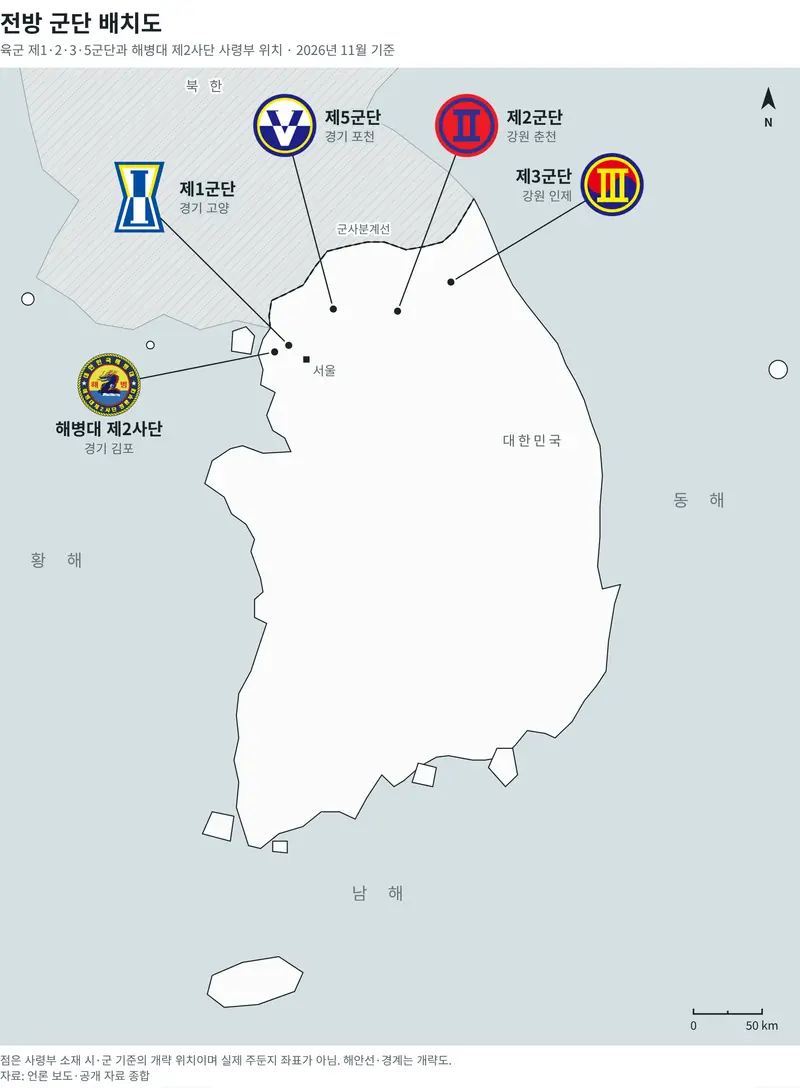
Will South Korea deploy troops to protect the Strait of Hormuz, which accounts for 70% of its imported crude oil?
There is no disagreement on the need to protect the Strait of Hormuz, where 70% of crude oil is at stake. The government is considering a non-combat deployment, but there are constitutional and National Assembly hurdles to overcome.
강병지
Published
Updated
More than 70% of the crude oil imported by South Korea comes from the Middle East. Most of that volume passes through the narrow maritime route of the Strait of Hormuz. According to statistics from the Korea International Trade Association, 69.6% of domestic crude oil imports will pass through this strait by 2025. South Korea is cited as the country that relies most heavily on this route in the world.
South Korea is cautious when it comes to the issue of protecting that route. While it was revealed this week that the government is considering deployment to Hormuz, the Blue House stated on the 4th, "Nothing has been decided," distancing itself from any conclusions.
■ The vital point has already been proven
It has been confirmed this year that the Strait of Hormuz is a vital point for the South Korean economy. Following the start of the war due to U.S. and Israeli airstrikes against Iran at the end of February, and Iran threatening navigation through the strait, international oil prices surpassed $100 per barrel in early March, putting the domestic refining and logistics industries on high alert. There are no suitable alternative routes for Middle Eastern crude oil other than this strait. While there are alternative pipelines to the United Arab Emirates and Saudi Arabia, they are insufficient to replace the usual volume of transit.
Tensions in the strait remain high. The U.S. maritime blockade against Iran continues, and the crisis surrounding the strait has not been resolved. If the Strait of Hormuz is blocked, it means that South Korea will be the first to react, and the impact will be severe.
■ The Ministry of National Defense says 'specific preparations,' while the Blue House says 'nothing has been decided'
The signals coming from the government do not converge into one. A key official from the Ministry of National Defense stated on the 4th, "We are making specific preparations to deploy naval forces to the Strait of Hormuz." The atmosphere, which had remained at the level of 'reviewing contribution options,' has now transitioned to a stage where they are organizing forces based on actual deployment and discussing overseas port calls.
On the other hand, the Blue House stated on the same day that "there are various options, including participation in combat and non-combat roles," and that they are reviewing multiple plans. While they acknowledged that they have been consulting with the United States, the United Kingdom, and France, when asked if they were at the stage of submitting a deployment agreement to the National Assembly, they replied, "Not to that extent yet." Compared to the strong denial the day before that reports of a 'deployment conclusion' were inaccurate, it seems the stance has shifted to acknowledging the review itself. In summary, it is more accurate to view the current stage as 'not a confirmed deployment' but rather 'initiating specific preparations based on the premise of deployment.' If the deployment is realized, it would be the first such deployment at the request of the United States in 22 years since the dispatch of the Zaytun Unit to Iraq in 2004.
■ What assets will be deployed?
The assets being discussed are all classified as non-combat forces. The plan is to send a signal to Iran that 'the objective is not aggression' by prioritizing surveillance, rear support, and mine countermeasure capabilities instead of combat ships. The specific cards identified in statements from Ministry of National Defense officials and some reports are three in number.
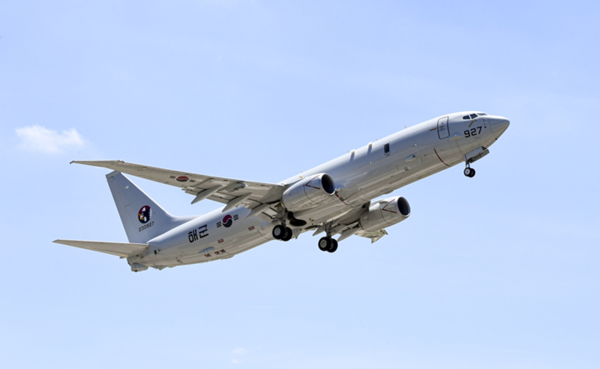
P-8 Poseidon maritime patrol aircraft. A long-range patrol aircraft modified from the Boeing 737 passenger plane. It can fly over vast ocean areas for extended periods, using radar, electro-optical sensors, and acoustic detection buoys to detect and track surface ships and submarines, sharing that information with allied forces. In the Strait of Hormuz, it will serve as the eye monitoring threats from Iran's Revolutionary Guard's fast boats, mine-laying attempts, and submarine threats. If deployed, it will mark the first deployment of our maritime patrol aircraft to the Strait of Hormuz. However, the Navy only has six P-8s, so sending a large number for an extended period would create a gap in anti-submarine missions against North Korean submarines and submarine-launched ballistic missiles (SLBMs). It is assessed that rotating one or two aircraft for a certain period would be a more realistic approach.
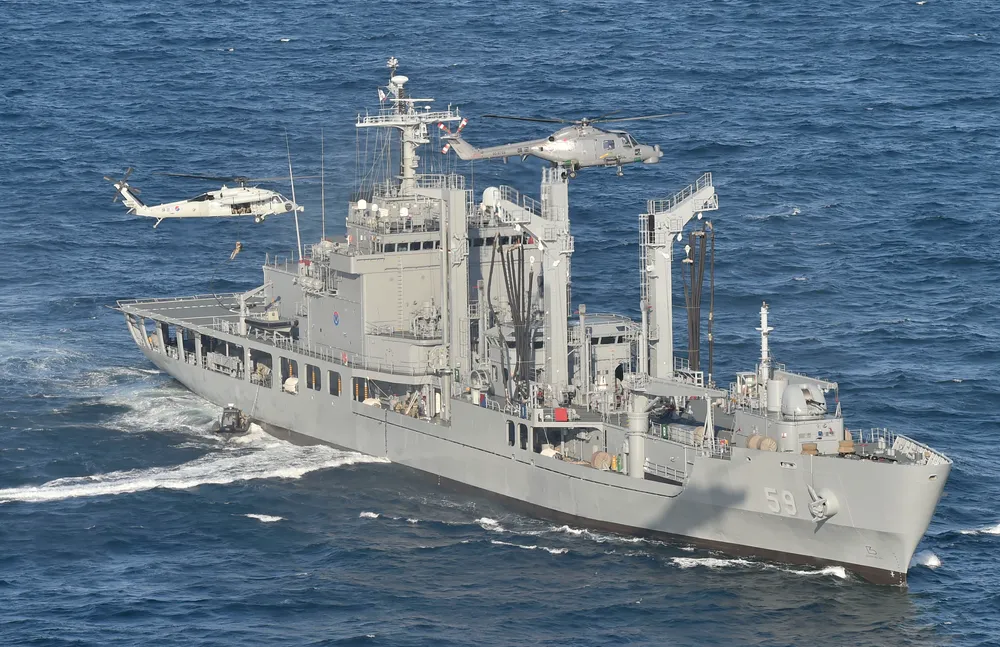
Logistics support vessels. They serve as the moving fuel stations and supply depots of the fleet. For combat ships to operate for extended periods thousands of kilometers away from their homeland, maritime replenishment at sea is essential to provide fuel, ammunition, food, and parts during operations. For the deployed forces to continue their missions in the Strait of Hormuz, this supply base must be supported. Although it is a non-combat asset, entering a conflict zone entails political and military burdens beyond simple rear support.
Explosive Ordnance Disposal (EOD). This is a special mission unit belonging to the Navy Special Warfare Flotilla (UDT), tasked with detecting, disarming, and disposing of mines, unexploded ordnance, and floating explosives. Iran has employed asymmetric tactics by laying mines or using floating explosives to threaten commercial shipping in the narrow strait. If EOD is deployed, it will play a role in locating and removing such explosives along the shipping lanes, ensuring safe passage for commercial vessels, including oil tankers. This directly aligns with the justification of protecting South Korean vessels.
■ We must protect, but sending is difficult
The background includes U.S. pressure. President Trump expressed dissatisfaction last month, saying, "Isn't it helping with an easy operation in Iran to protect South Korea with 39,000 troops?" and noted that South Korea had rejected the request, saying, "I will remember that." However, this number is factually incorrect. The U.S. military in South Korea is at a scale of 28,500 troops, which has been maintained since 2008, while President Trump has repeatedly inflated the number to "45,000". Thus, the premise he used as a basis for pressure is already flawed.
The pressure is not limited to this. There is also a calculation that deploying troops could ease tensions surrounding semiconductor tariffs and investments in the U.S. It is not sudden, as former Defense Minister An Gyu-baek mentioned in May that they would "consider phased contributions" during discussions with the U.S.
Overseas deployments must go through discussions in the National Security Council (NSC) standing committee and receive approval from the National Assembly. However, opposition has already emerged within the ruling party. Democratic Party lawmaker Lee Gi-heon publicly stated on the 4th, "I will not agree to the deployment to Hormuz to protect national interests and constitutional values." In civil society, there are concerns that it contradicts the constitution, which denies aggressive wars, and fears that it could lead to a 'de facto deployment' like in 2020, where the Cheonghae Unit's operational scope was expanded without National Assembly consent.
Ultimately, there is one lingering question. While there is consensus on the need to protect vital interests, must that method be deployment? With France and the UK leading a multinational task force and Japan taking a cautious stance, what the U.S. desires from South Korea is more of a political message of 'participation.' The value of that message and the weight of the judgment are now directed toward the National Assembly.