Korean Cheonmu stands side by side with American systems: Reasons why Croatia chose Korea
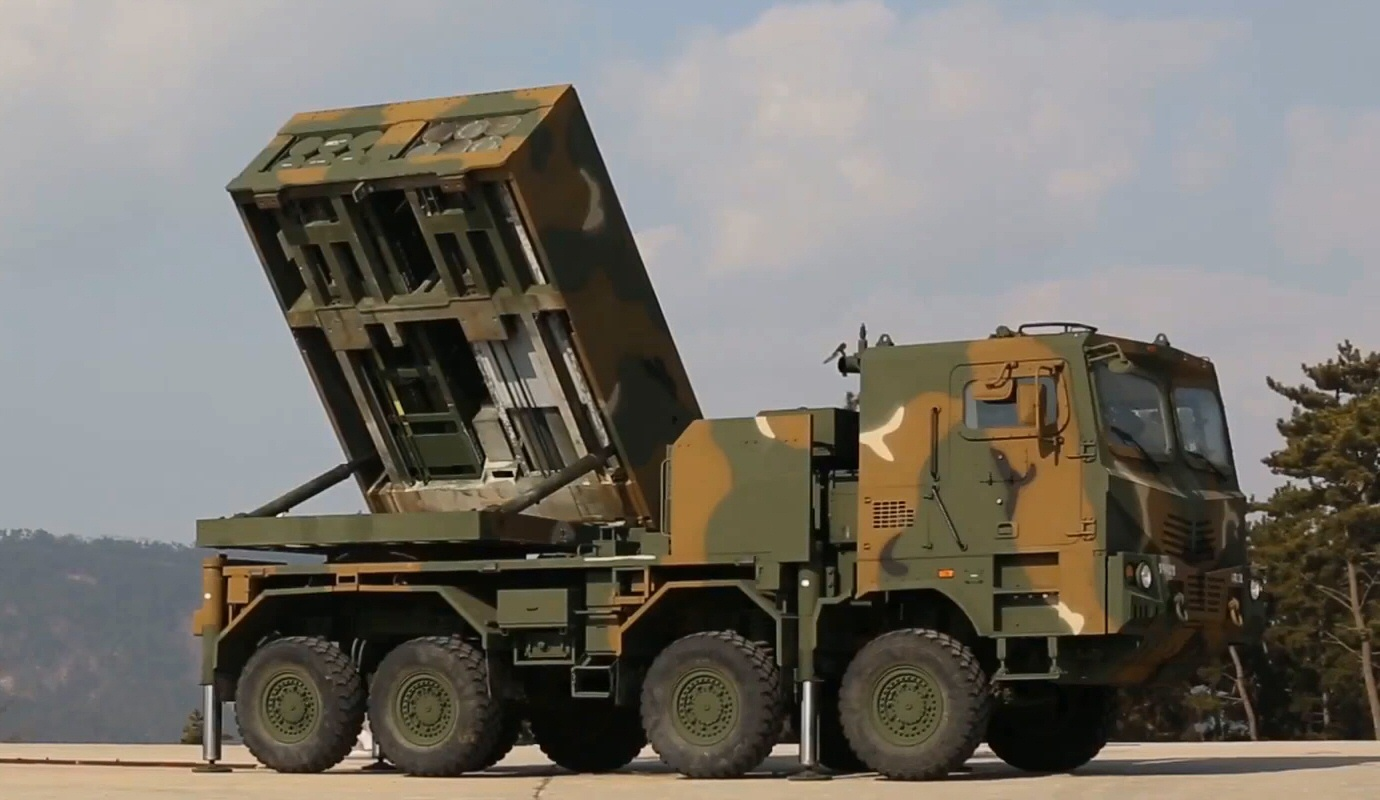
Croatia has introduced 18 units of the Korean Cheonmu in addition to the American HIMARS. Korean systems have risen to the status of 'parallel options' in Europe, beyond being just an 'alternative' to American weapons.
강병지
Published
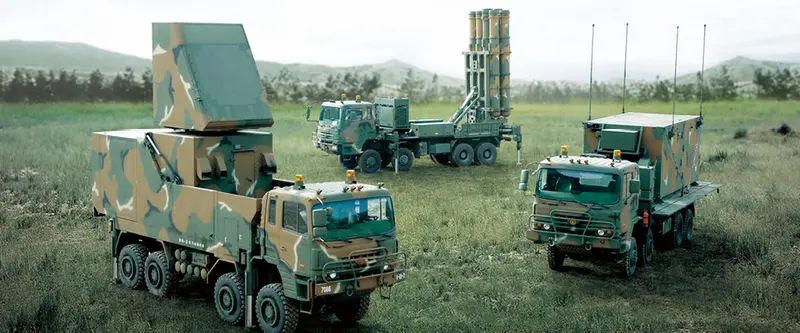
Croatia is acquiring 18 units of the Korean multiple rocket launcher Cheonmu (K239). Hanwha Aerospace signed a supply contract with the Croatian government worth approximately 641.1 billion won (418 million euros) at the Croatian Prime Minister's Office on September 10 (local time). The supply from Hanwha Aerospace includes 18 launchers, ammunition transport vehicles, command vehicles, medium and long-range precision-guided missiles, training, and integrated logistics support (ILS). The project period is from 2026 to 2029, with about 85% of the total quantity to be delivered by 2028.
This is the first time Korea has exported weapon systems to Croatia. Croatia has become the fourth country in Europe to operate the Cheonmu, following Poland, Estonia, and Norway.
■ A country that has already purchased HIMARS has now bought Cheonmu
A noteworthy point in this contract is that Croatia is acquiring the Cheonmu as an 'additional' system. Croatia has already confirmed the purchase of 8 units of the American HIMARS (approximately 351 million dollars) by the end of 2024. This means that they will operate two similar long-range rocket systems.
The Croatian Ministry of Defense explains this as an intentional choice. By diversifying the manufacturing countries to the US and Korea, even if one side encounters issues with maintenance or parts procurement, the other can compensate. This approach of having multiple suppliers to distribute supply chain risks is commonly adopted by NATO member countries. The Cheonmu has two independent launchers (12 rockets), providing double the firepower per launcher compared to HIMARS, which operates one (6 rockets).
■ The gap left by US export regulations
Croatia did not initially target the Cheonmu. According to local reports, as the US imposed restrictions on the export of long-range ammunition and the delivery schedule became uncertain, Korea emerged as an alternative. Quick delivery, relatively low costs, and the flexibility to operate various types of ammunition from a single launcher were decisive factors.
Range is also a strength. The Cheonmu can strike targets from dozens of kilometers to hundreds of kilometers, depending on the type of ammunition. Unlike long-range missiles that the US controls for export, Korea can supply tactical ballistic missiles (CTM-290) with a range of 290 km without restrictions. Croatian Deputy Prime Minister and Minister of Defense Ivan Anusic stated that the range can exceed 300 km, with a maximum of up to 500 km, but this was a statement emphasizing the maximum capability, and the actual composition of the introduced ammunition types has not been disclosed.
■ The arms clock of the Balkans
The background is a change in the regional security landscape. What Croatia aims to replace are the aging Yugoslav and Soviet-made multiple rocket launchers, which have a range of around 20 km. This introduction represents a significant modernization of artillery capabilities after decades. Furthermore, as neighboring Serbia deployed Israeli PULS rockets, Croatian President Zoran Milanovic cited this as a justification for enhancing the country's long-range firepower.
■ Expanding K-defense into Europe
For Hanwha Aerospace, this marks the third successful export of Cheonmu in Europe this year, following contracts with Norway in January and Estonia in May (additional quantity following the first contract in December 2025). As the number of operating countries increases, Hanwha has also announced plans to launch a 'Cheonmu User Club' next year to share operational know-how among countries. The command and control (C2) system for this project will integrate WB Electronics' TOPAZ under a separate contract. This aligns with the European Cheonmu production and maintenance network that has been formed around Poland, the largest operating country.
The significance of the Croatian contract goes beyond mere sales figures. The fact that it has been adopted alongside American systems shows that Korean weapons have established themselves as 'parallel options' beyond being alternatives to the main US systems in a NATO-standard environment. It also serves as a test to gauge how far Korea's position in the European defense market will expand.