Houthi missile offensive damages 'Aramco Tower' in Saudi capital, financial district hit despite air defense interceptions
Attack hits King Abdullah Financial District in central Riyadh; Saudi authorities say, "Minor damage from interceptor debris, no casualties"
Yemen airstrike death toll rises to 44; Houthis broaden retaliatory attacks on Saudi airports and oil facilities
Published
Updated
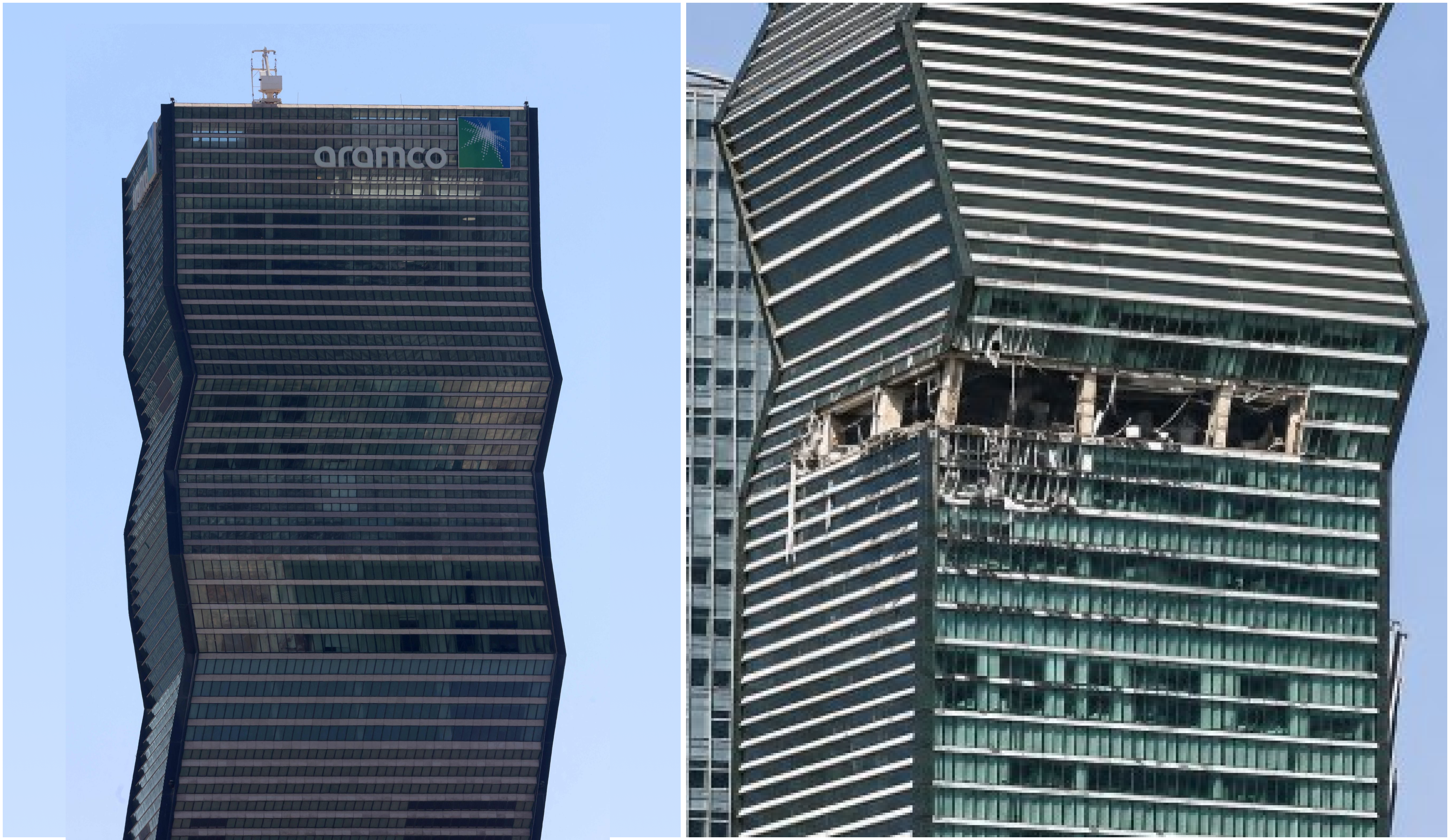
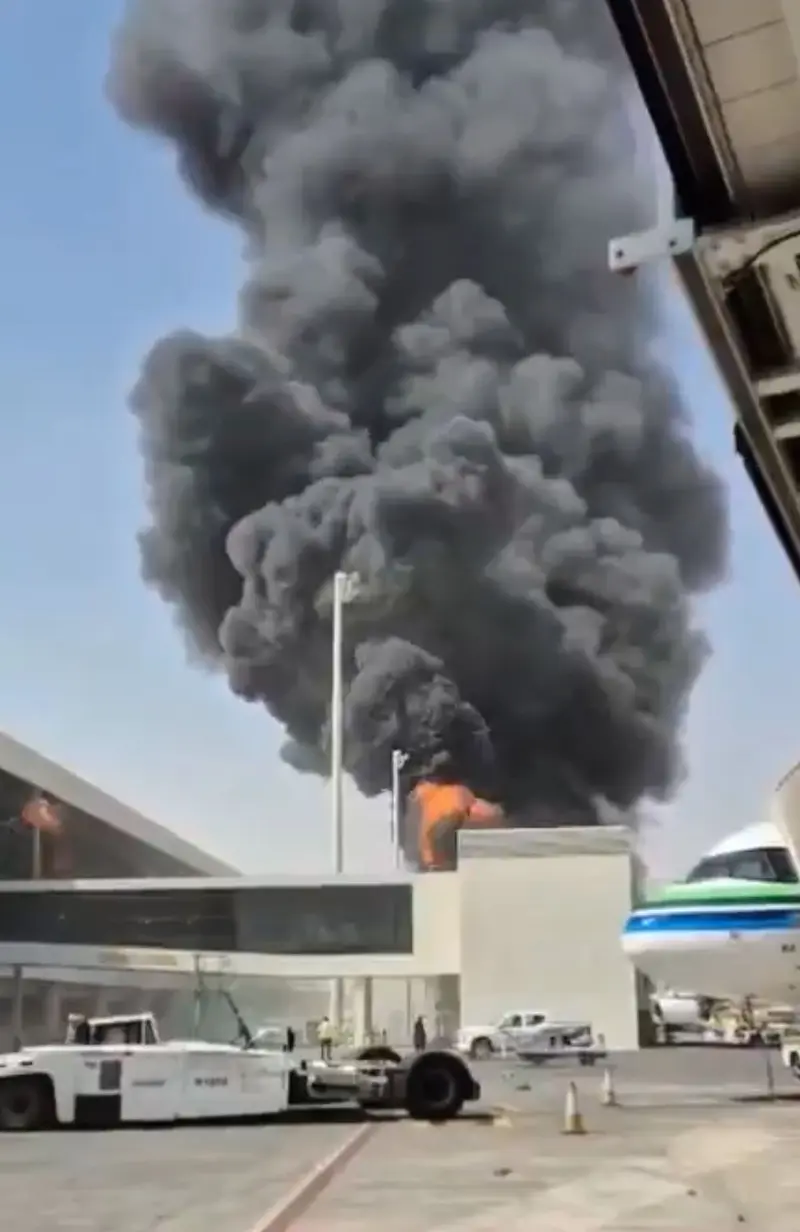
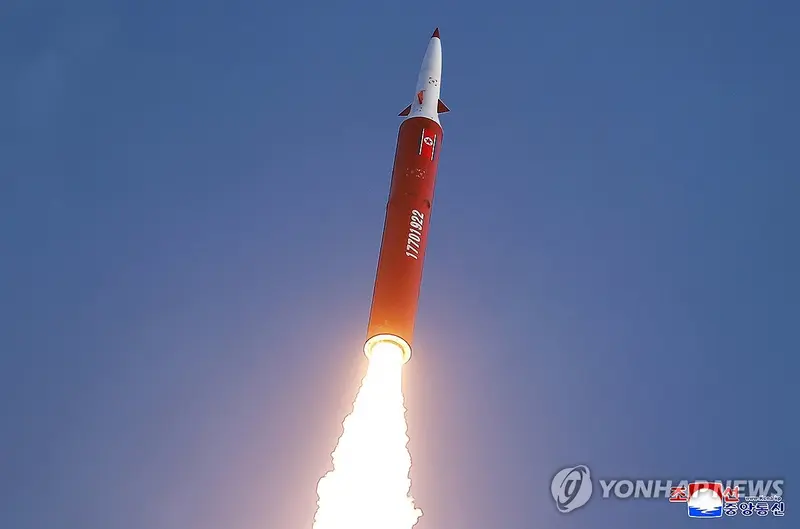
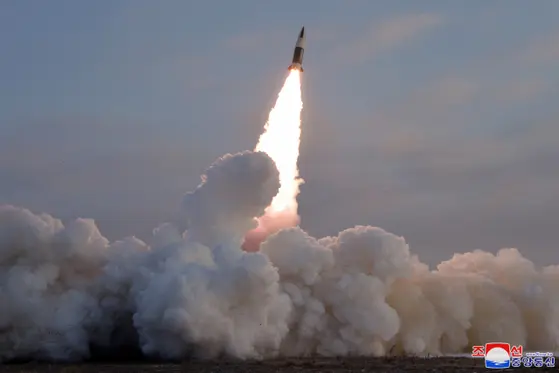
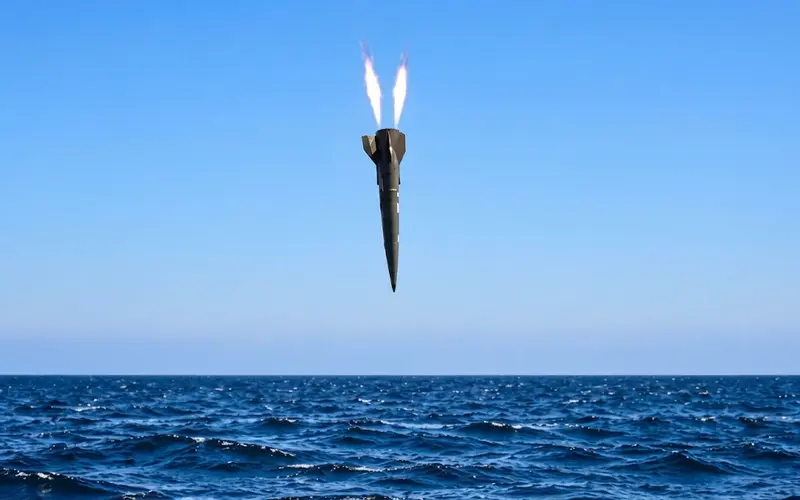
Iran-backed Houthi forces in Yemen launched missile and drone attacks on Riyadh, damaging a high-rise building owned by state oil company Aramco in the capital's financial district. The Saudi military said it intercepted missiles fired by the Houthis, but damage to a downtown building has heightened security concerns over Saudi Arabia's air defenses and critical industrial facilities.
Saudi Arabia's Energy Ministry said on the 8th (local time) that an Aramco-owned office building in Riyadh's King Abdullah Financial District (KAFD) came under attack and that part of the building was damaged by falling debris. Authorities said the damage was minor and that there were no deaths or injuries. The Saudi-led coalition also said it intercepted ballistic missiles and drones launched by the Houthis toward Riyadh, the eastern region and other areas that day.
However, footage filmed at the scene and witness accounts showed shattered windows across multiple floors of the building. Video authenticated by BBC Verify, the BBC's video verification team, showed at least one floor of Aramco Tower badly damaged, with exterior glass shattered on several floors. Reuters also confirmed through on-the-ground reporting that windows on multiple floors of the building had been broken. As an investigation continues into the extent of the damage and the means of attack, Saudi authorities maintain that the building was not directly hit by a missile and that the damage was caused by debris falling during the interception.
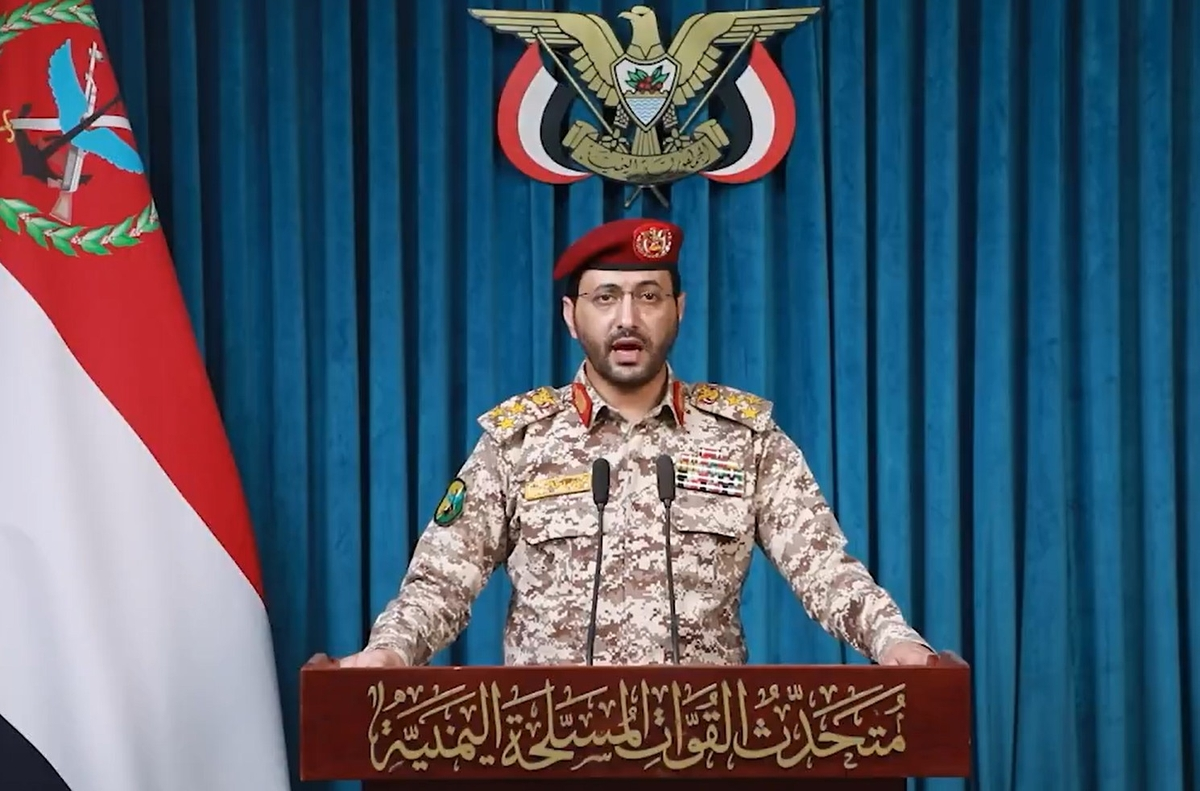
The Houthis said the attack was part of one of their military operations. Houthi military spokesperson Yahya Saree said the group had carried out attacks using ballistic missiles, cruise missiles and drones against Riyadh's financial district, King Khalid International Airport and Aramco oil storage facilities. The Houthis also claimed they had attacked Aramco facilities in Abqaiq in the east and other energy and military sites in Saudi Arabia, but whether those facilities were actually hit and the extent of any damage have not been independently verified.
The Saudi military said it also intercepted missile and drone attacks targeting eastern oil-producing areas and southern regions, in addition to Riyadh. It also announced that it had destroyed Houthi ballistic missile launchers in Saada in northern Yemen and in the capital, Sanaa. Saudi civil defense authorities issued and later lifted a danger alert around Riyadh again on the 9th, the day after the attack, and urged residents not to gather at the scene or film it when alerts are issued and to follow safety guidelines.
The attack came just after an airstrike in Yemen caused numerous civilian deaths. According to Houthi-run health authorities in Yemen, an airstrike hit a residential area in Al-Shariya, east of Sanaa, on the 7th, initially killing 33 people, and the death toll later rose to 44 as rescue operations continued. The Houthis said the dead included 21 children and 10 women, and that 40 people were wounded. The Houthis claimed the Saudi-led coalition carried out the airstrike, but Saudi authorities said they were investigating the incident. The party responsible for the strike and the scale of the casualties have not been independently verified.
Earlier, on the 6th, about 30 people were reported killed in an attack targeting a market in Taiz province in southwestern Yemen. The Houthis blamed Saudi airstrikes, while Yemeni government forces countered that a Houthi ballistic missile attack was responsible, leaving conflicting claims over who was to blame. The Houthis are expanding missile and drone attacks on Saudi territory, saying they are retaliating for civilian casualties.
Houthi attacks targeting Saudi Arabia's key energy and transport facilities have continued in recent months. On October 10, Riyadh International Airport was attacked, killing 13 people and wounding more than 300, and the Houthis later named the Ras Tanura refinery and Abqaiq oil facilities in eastern Saudi Arabia, as well as King Fahd International Airport in Dammam, as targets. The Dhahran area, where Aramco is headquartered, was also reportedly attacked recently.
The King Abdullah Financial District, where damage was confirmed in this attack, is a key hub for Saudi government policies aimed at diversifying the economy and promoting the financial industry. Home to numerous financial institutions and international companies, the area is also a symbolic project meant to reduce Saudi Arabia's dependence on oil and turn it into a global center for finance and investment. The damaged Aramco Tower is an office building rather than an oil production facility, but the symbolism is considerable because a facility belonging to one of the country's key companies was damaged in the heart of the capital.
Armed clashes between the Houthis and Saudi Arabia have intensified again since the middle of this year. The Saudi-led coalition has been fighting the Houthis since 2015 while backing Yemen's internationally recognized government, but large-scale fighting declined markedly for a considerable period after a U.N.-mediated truce was reached in 2022. However, after a Middle East war that began in February this year with U.S. and Israeli attacks on Iran spread to neighboring countries, and Yemen's truce framework collapsed in July, direct military clashes between Saudi Arabia and the Houthis resumed.
In particular, the Houthis declared a maritime blockade against Saudi Arabia and expanded attacks on ports, ships and oil facilities along the Red Sea coast. This past September, they also expanded their reach to areas near the Bab el-Mandeb, the strategic strait linking the Red Sea and the Gulf of Aden, heightening the threat to international shipping. The Bab el-Mandeb Strait is the southern gateway to the Suez Canal route linking Europe and Asia, and it plays an important role in transporting Middle Eastern crude and international cargo. As the Houthis' maritime attack capabilities combine with their long-range strike capability against Saudi territory, the conflict's impact is spreading beyond Yemen's borders.
Saudi Arabia has asked allies including the United States for military support in response to Houthi missile and drone attacks, while continuing airstrikes on Houthi military facilities in Yemen. Britain said last month it would support fighter operations to defend major Saudi cities, and Saudi Arabia is also pursuing diplomatic contacts with Iran, together with Türkiye, Pakistan and others, on regional security issues.
As fighting resumes, Yemen's humanitarian toll is also rising rapidly. According to the United Nations, more than 1,600 people have been killed in fighting since July and about 300,000 have been displaced. With years of civil war having weakened medical, food and housing infrastructure, repeated airstrikes and retaliatory attacks on civilian residential areas are worsening the toll.
The strike on Aramco Tower shows that even when Saudi Arabia intercepts Houthi missiles, urban areas and major economic facilities can still sustain damage. As the Houthis continue attacks on energy facilities and international airports and Saudi Arabia carries out airstrikes on military facilities in Yemen, the two sides' military clashes are adding strain to the Middle East's energy supply chains, Red Sea shipping lanes, and the Gulf region's broader air defense and security architecture.