North Korea tests cluster warheads on cruise missiles, claiming 5–6-hectare coverage and demonstrating vertical strikes
Cruise-missile trial follows ballistic-missile cluster-warhead test by two days; four variants planned for operational use this year
Images show airborne submunition dispersal and a steep dive onto a target; South Korean military says its precision-strike capabilities exceed the technology claimed by the North
Published
Updated
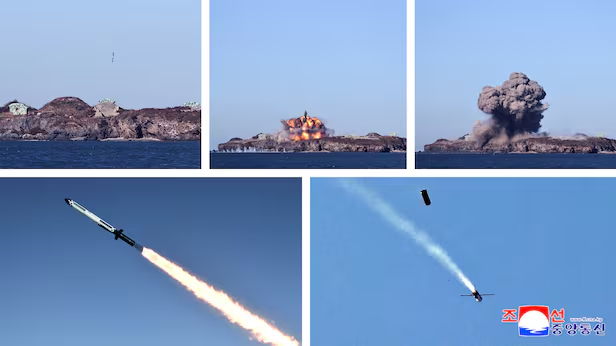
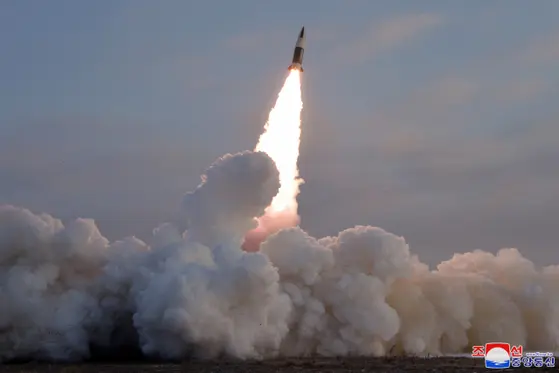
North Korea has tested cluster warheads on strategic cruise missiles following similar tests on tactical ballistic missiles, and released images of a missile diving steeply onto a target. The test came two days after a ballistic-missile cluster-warhead effectiveness trial on the 31st of last month, prompting assessments that Pyongyang is expanding its conventional strike capabilities by fitting different warheads to ballistic and cruise missiles.
The Korean Central News Agency (KCNA) reported on the 3rd that the Missile Administration had conducted an effectiveness evaluation of a strategic cruise missile’s cluster warhead and a test of its vertical-strike flight characteristics the previous day, the 2nd. General Kim Jong-sik, a member of the Workers’ Party Central Military Commission and first vice department director of the party’s Central Committee, directed the tests. The report did not say whether leader Kim Jong-un attended.
The Warhead Institute under the Missile Administration claimed that the tests confirmed a ‘medium-sized cluster warhead’ fitted to a cruise missile could deliver high-density strikes across a target area of 5–6 jongbo. The North Korean unit of area, jongbo, is approximately 0.99 hectares, putting the claimed coverage at roughly 50,000–60,000 square meters. That is equivalent to about seven or eight football pitches and would be enough to devastate an area the size of Gwanghwamun Square.
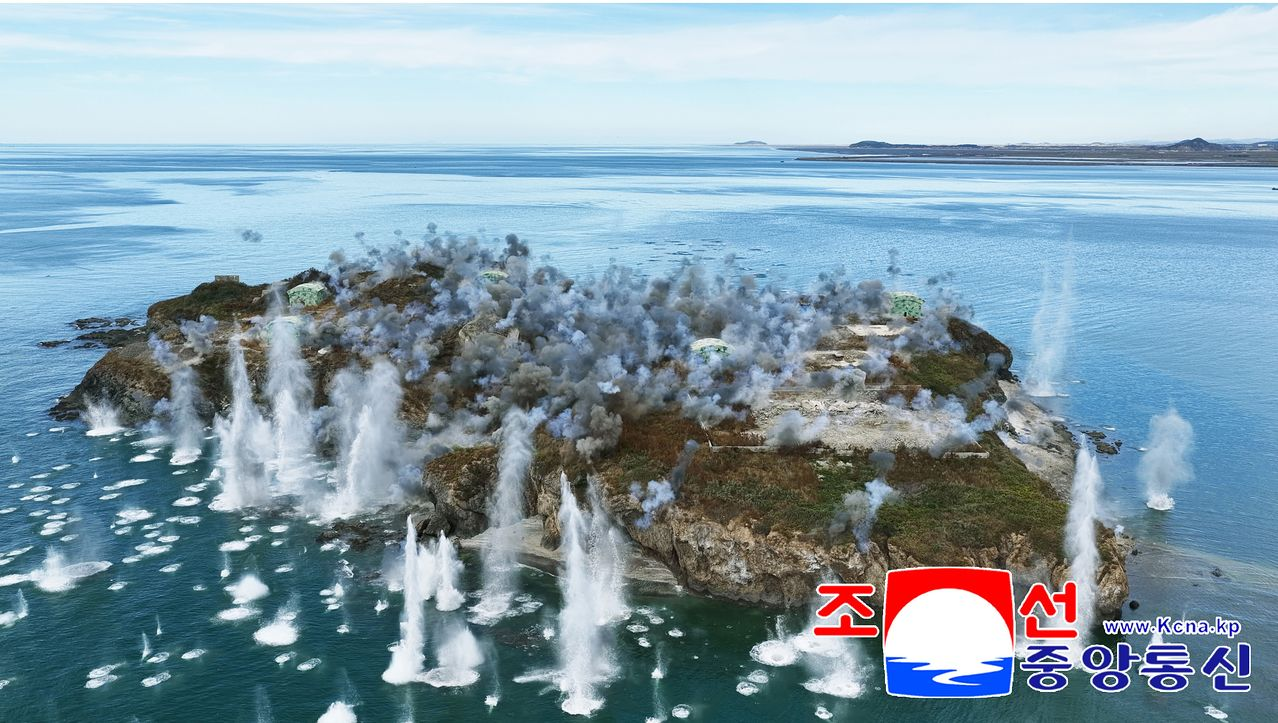
The term refers to a cluster warhead that contains multiple small explosive submunitions and disperses them above a target. Unlike a conventional unitary high-explosive warhead, which causes damage around a single detonation point, a cluster warhead spreads numerous submunitions over a wide area to strike personnel, vehicles and military facilities simultaneously.
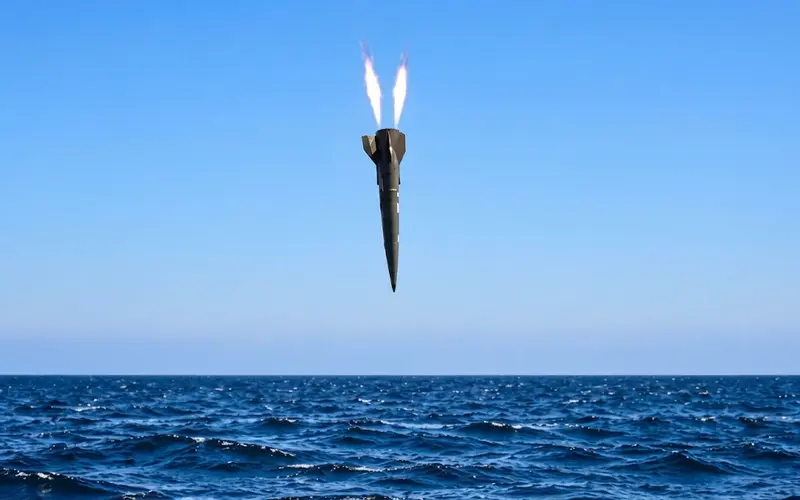
Photographs released by North Korea showed a cruise missile dispersing several submunitions over a target at sea and multiple explosions on the water. Separate images showed a missile descending almost vertically toward what appeared to be an artificial structure on the coast. Military experts believe the missile shown may belong to North Korea’s Hwasal family of cruise missiles.
The Missile Administration’s Cruise Missile System Institute said it had improved terminal maneuverability to account for the natural geography around targets and had thereby completed a vertical-strike capability. This is understood to involve a missile approaching at its usual low altitude, then sharply changing its flight direction near the target to strike from above.
A vertical-strike capability could be used against targets screened by mountainous terrain or structures. Shin Jong-woo, secretary-general of the Korea Defense and Security Forum (KODEF), assessed that the North appeared to be seeking precision attacks on targets that are difficult to hit horizontally or obliquely, such as underground South Korean military facilities or tunnel entrances. Approaching from above could provide a route to a target even when terrain or structures conceal its sides.
The wide-area cluster-warhead strike and the vertical strike shown in the releases test different combat functions. Publicly available material does not establish whether both were fitted to the same missile, or the accuracy and penetration achieved in the vertical strike. North Korea did not disclose detailed specifications such as the exact cruise-missile model, flight range, warhead weight or number of submunitions.
North Korea began publicly showcasing its cluster-warhead development in earnest this year. In April, it tested a cluster warhead on a Hwasong-11-family short-range ballistic missile, claiming that cluster and fragmentation-mine warheads affected a target area of approximately 12.5–13 hectares in an April 19 trial. In its analysis, U.S.-based North Korea specialist outlet 38 North assessed that Pyongyang was developing its short-range ballistic missile force not just as a nuclear delivery system but as a major conventional strike capability.
On the 31st of last month, North Korea said it had tested the effectiveness of a ‘Standard Type 2’ cluster warhead for tactical ballistic missiles. It claimed the warhead could devastate a target area of 12–13 hectares. The head of the Missile Administration also outlined plans to divide cluster warheads into four variants according to operational purpose and make all four available for selective use by operational units before the end of the year.
The latest cruise-missile test shows that the North is seeking to apply these warheads to missiles with different flight characteristics. Ballistic missiles approach targets at high speed, while cruise missiles can follow terrain at relatively low altitudes, requiring different detection and tracking responses. Fitting cluster warheads to both would broaden the means available to attack targets spread over large areas, including airfields, troop assembly areas and logistics facilities.
Hong Min, a senior research fellow at the Korea Institute for National Unification, told the Kyunghyang Shinmun that cluster warheads could put airfields and ports out of action for hours or days without the use of nuclear weapons. He also assessed that the difficulty of identifying a warhead type while a missile is in flight could disrupt South Korean and U.S. decisions on interception priorities.
At a regular briefing on the 3rd, South Korea’s Joint Chiefs of Staff said South Korea and the United States were closely analyzing the relevant developments. JCS spokesperson Jang Do-young said the South Korean military had been developing and operating precision-strike capabilities and weapons systems exceeding the technology claimed by the North for the past 20 years, and remained ready to respond to any provocation.
The military said its decision not to make a separate announcement about the cruise-missile launches on the 2nd was intended to avoid exposing surveillance and reconnaissance capabilities. Jang said the low-altitude, terrain-following nature of cruise missiles could limit detection when launched from distant areas in northern North Korea, due in part to the curvature of the Earth. He added that the South had sufficient capability to detect and respond if the North launched cruise missiles toward South Korea.
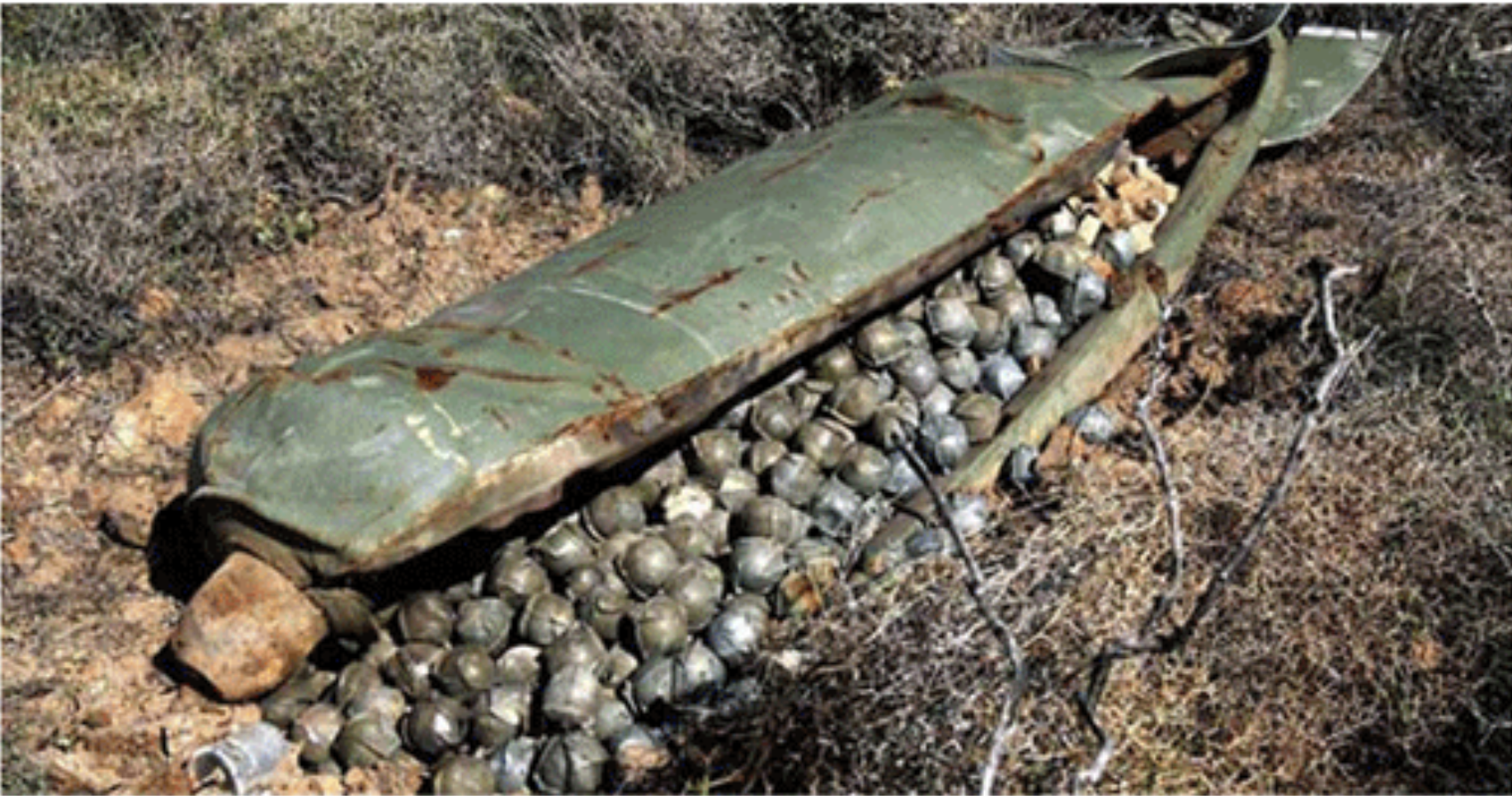
Cluster munitions also pose serious risks to civilians because they disperse many submunitions across a broad area. Some fail to explode on impact and remain hazardous in a manner similar to landmines. The International Committee of the Red Cross (ICRC) has warned that cluster munitions risk indiscriminate harm in populated areas and that unexploded submunitions can cause casualties long after fighting ends. The Convention on Cluster Munitions, adopted in 2008, prohibits their use, production, stockpiling and transfer, but neither South nor North Korea is a party.
The North’s recent weapons tests indicate diversification not only in the range and speed of existing missiles, but also in warhead types and methods of striking targets. Applying cluster warheads to several missile systems and emphasizing vertical strikes appears intended to broaden its conventional options against key South Korean military facilities in a contingency. The claimed coverage, accuracy and level of operational deployment, however, are difficult to verify from published photographs and statements alone. Further testing developments and assessments by South Korean and U.S. military authorities will need to be examined.