Passenger list for 168 aboard South Korea’s presidential aircraft exposed for five months; police open formal investigation
Passport numbers and birth dates were exposed a week before the overseas trip; security document uploaded to malware-analysis site
Foreign Ministry sees a leak as more likely than hacking; passports reissued for the presidential couple and others as the Blue House reviews security management
Published
Updated
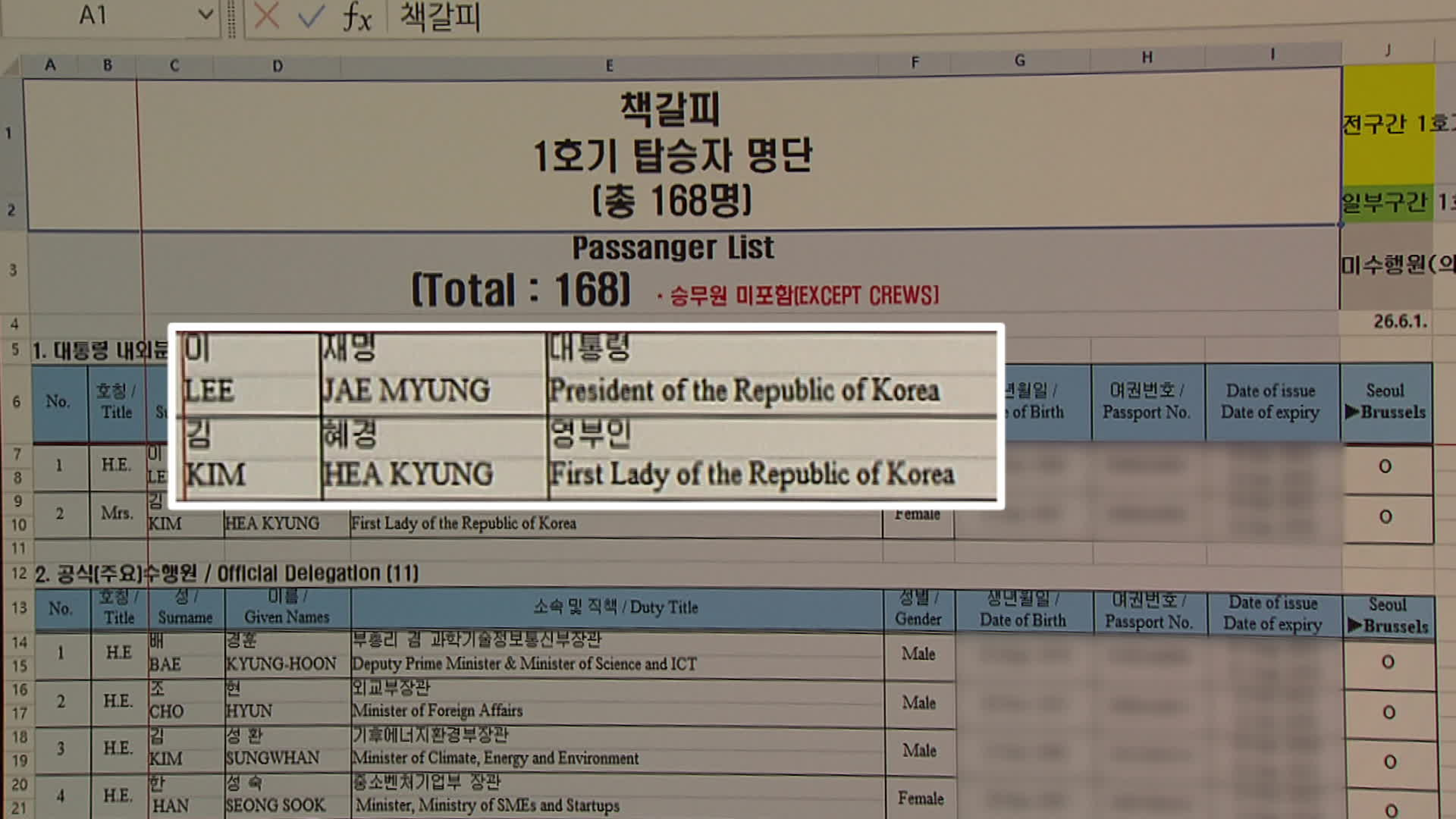
Police have opened a formal investigation after it emerged that personal information on 168 passengers scheduled to travel aboard South Korea’s presidential aircraft, Air Force One, had been exposed on an overseas malware-analysis website for about five months. The material, prepared ahead of President Lee Jae-myung’s foreign trip, was confirmed to include not only the presidential couple and senior officials but also the identities and passport details of Presidential Security Service officers, raising concerns about presidential protection and the handling of sensitive national information.
On the 3rd, the Cyber Terror Investigation Division of the National Office of Investigation upgraded its preliminary inquiry into the passenger-list leak to a formal investigation. Police are investigating how the material left official custody and who uploaded it, on suspicion of violating the Personal Information Protection Act. The Foreign Ministry reported the leak to the Personal Information Protection Commission the same day. The Blue House held an emergency meeting chaired by the presidential chief of staff and ordered an examination of the relevant agencies’ management responsibilities.
The case became public when KBS exclusively reported the exposure of the presidential aircraft’s passenger list on the 2nd. The file had been uploaded on June 2 to VirusTotal, a Google-affiliated malware-analysis service, under the title ‘Passenger List (Republic of Korea–Belgium).’ That was one week before President Lee departed on June 9 for his European trip, meaning the identities of those who would accompany him were accessible outside government before departure.
The leaked Excel file reportedly contained information on 168 people, including President Lee and first lady Kim Hye-kyung; Kim Yong-beom, then the Blue House’s chief policy secretary; National Security Adviser Wi Sung-lac; cabinet members; Blue House and Foreign Ministry staff accompanying the delegation; Presidential Security Service officers; and reporters assigned to cover the presidency. Along with Korean and English names, affiliations and job titles, it included birth dates, passport numbers and passport issuance and expiry dates that could be used for identification. KBS reported that it had checked the passport details of its own correspondent on the list against the actual information and confirmed a match.
President Lee visited Europe from June 9 to 18 for a summit with Belgium and the European Union, the Group of Seven (G7) summit in Évian, France, and a state visit to Italy. Passenger lists for the presidential aircraft are highly sensitive because they reveal diplomatic travel schedules and the composition of accompanying personnel. The inclusion of close-protection officers’ identities alongside those of general staff and journalists raises concerns extending beyond the exposure of passport information alone.
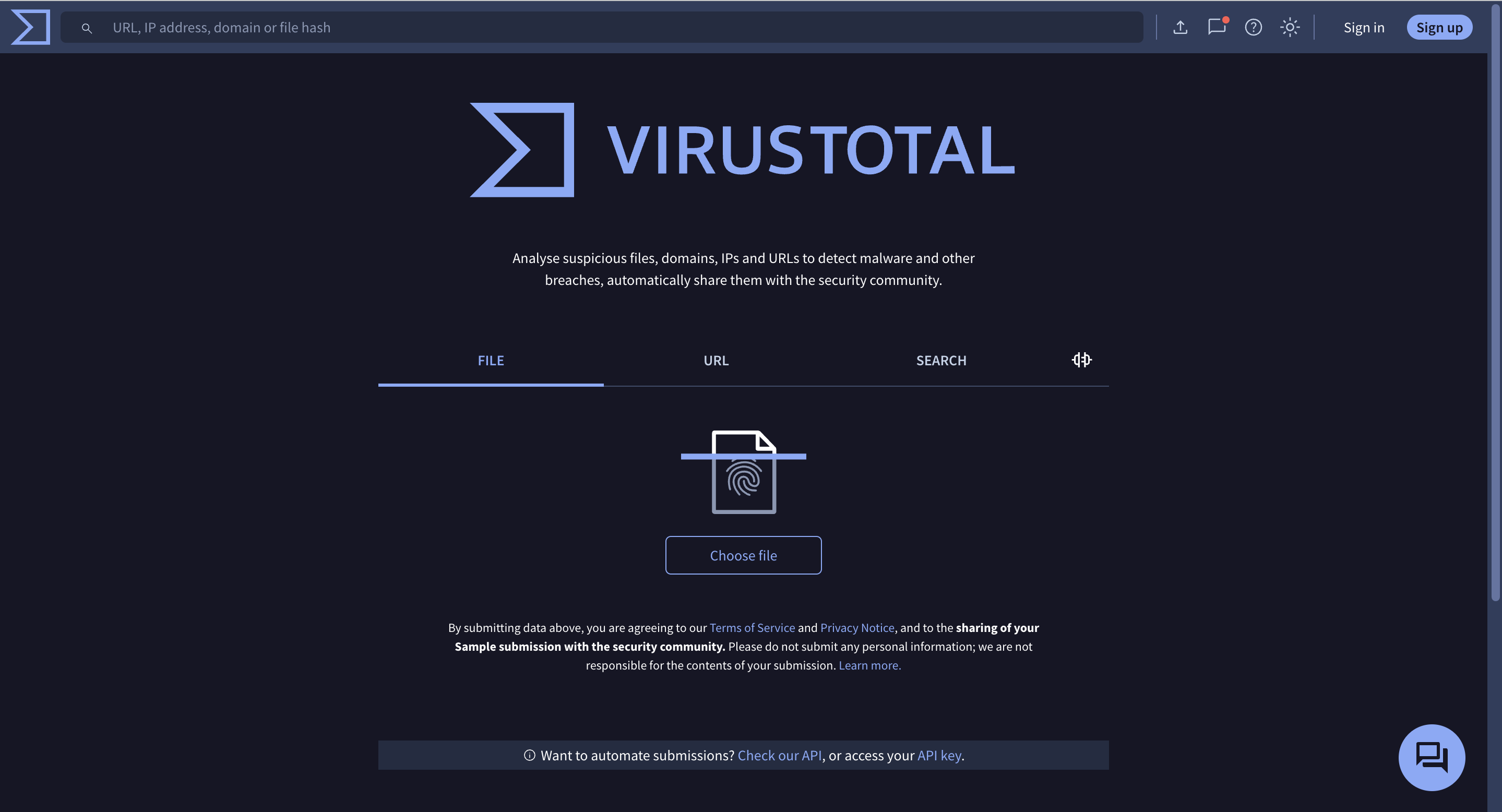
VirusTotal checks files and internet addresses using detection engines from multiple security vendors to analyze possible malware infections. It is widely used by individuals, businesses and security researchers, but material submitted for standard file scans and the resulting analyses can be shared within the security industry. Its official guidance says submitted file contents may be made available to paid users and partner security companies, while files accumulated in its analysis database are also used for security research and threat intelligence.
For that reason, VirusTotal advises users not to submit personally identifiable information or confidential material through its standard scanning functions. It also offers a separate Private Scanning feature that checks material without external sharing, but this is distinct from the ordinary service. Since a file itself may be shared even when submitted simply for a malware check, organizations handling sensitive work documents need to assess the service separately before use.
How the presidential passenger list came to be registered on VirusTotal remains unknown. Security-industry observers have raised possibilities including a person handling the document submitting it to check for malware, or a security product uploading it through an automatic-sharing function. A third party may also have submitted a document that had already leaked, so investigators must establish whether the initial leak and the upload occurred through the same process.
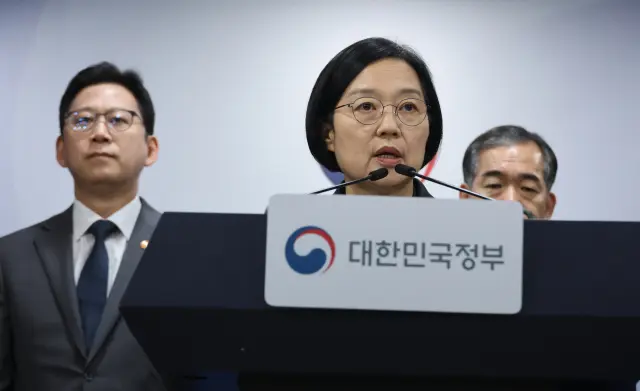
The Foreign Ministry considers a document leak more likely than an external hack. At a briefing on the 3rd, spokesperson Park Doo-soon said the incident was currently understood to be a leak rather than hacking, while stressing that further investigation was needed into the circumstances and background. Asked whether a ministry employee had uploaded the file directly, he said an investigation was under way. The ministry maintains that presidential travel documents are managed as sensitive documents.
This is not the first exposure of government material through VirusTotal. In June 2024, KBS found that PC security-inspection data relating to about 3,000 National Election Commission employees had been uploaded to the same service. At the time, an employee of an outside contractor responsible for maintaining the commission’s systems had submitted the document to check for malware, exposing the information. It included employees’ names and departments, IP addresses, unique computer identifiers and security-inspection results for individual PCs.
The contractor’s submission was established as the cause in the election commission case. In the presidential passenger-list case, however, the uploader has not yet been identified. Even so, the repeated exposure of internal government documents on the same security-analysis platform highlights the need to review government document-handling procedures and the use of external security services.
The possible misuse of presidential delegation information is another concern. Access to security officers’ and accompanying staff members’ affiliations, positions and identities could help an outside attacker map professional relationships around the president or conduct targeted impersonation and phishing. The identities of protection personnel, who make relatively few public appearances, could retain intelligence value in future assignments. No evidence has so far established that a foreign intelligence service or hacking group obtained and used the material.
The government began follow-up measures after the leak became known. Park said the ministry requested investigations by relevant agencies immediately after confirming the incident and was carrying out a comprehensive inquiry, including technical checks of PCs and email associated with the June trip. He said it had also taken steps to prevent further harm, including seeking removal of the material from the website and checking for additional leaks.
Passport reissuance is under way for all passengers whose passport details were exposed, including the president and first lady. The Foreign Ministry said it had not so far identified additional spread of the information or separate distribution. It remains unclear, however, who viewed or downloaded the file while it was available or whether it was copied and circulated elsewhere. Reissuing passports cannot erase names, birth dates, affiliations and positions that have already been exposed, so potential additional harm also requires investigation.
The Blue House held an emergency meeting that morning chaired by presidential chief of staff Lim Kwang-hyun to review the response. According to senior spokesperson Kang Yu-jung, Lim described the exposure of the delegation’s personal information as a serious matter and ordered a thorough investigation into how it leaked, the extent of exposure and any actual harm, as well as clear findings on the management responsibilities of relevant agencies. He also asked them to comprehensively review the security management of presidential foreign trips and prepare measures to prevent a recurrence.
When the government first became aware of the personal-data leak is another question to be resolved. The Blue House and Foreign Ministry said they knew of the incident and had taken necessary steps before the KBS report, but did not disclose the initial discovery date or the specific circumstances that left the material exposed outside government for about five months.
The police investigation is expected to focus on how the file was created and managed, who first submitted it, the access permissions when it was posted, and records of external views and downloads. Because the identities of the president and protection personnel were exposed for a prolonged period beginning before the trip, the case is likely to lead to a broader examination of security arrangements for summit diplomacy and government procedures for responding to information leaks.