South Korea completes Marine Attack Helicopter development, targeting production in 2027
Cheongeom missiles, 70mm rockets and air-to-air missiles tested; shipboard operations and airworthiness certification completed
Marineon-based attack variant to escort landing forces and provide close air support as Marine Corps aviation expands
Published
Updated
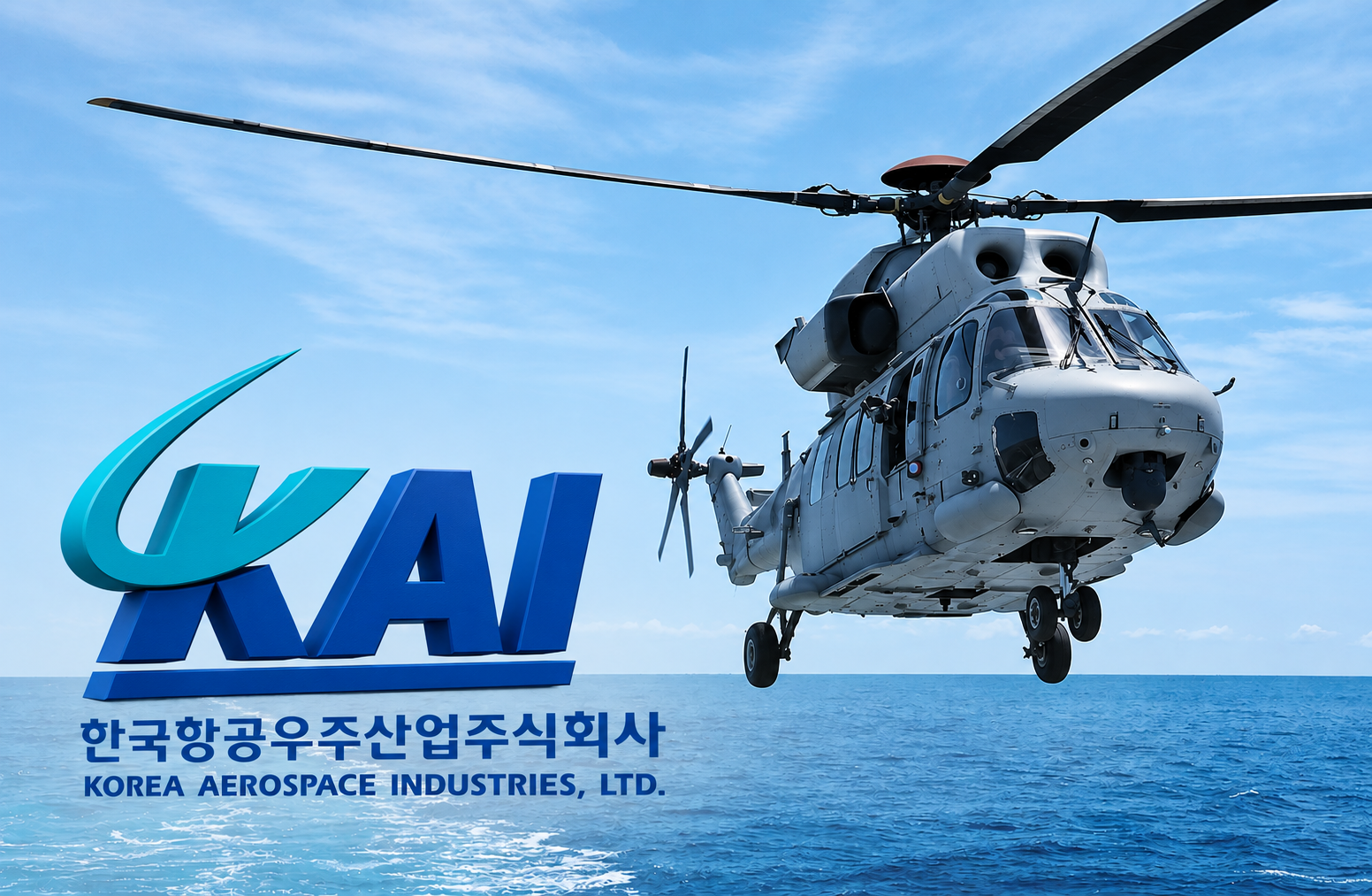
The domestically developed Marine Attack Helicopter (MAH), built by Korea Aerospace Industries (KAI), has completed system development. Based on the Marineon amphibious transport helicopter, itself derived from the Army’s Surion utility helicopter, the aircraft adds attack weapons and avionics. It will escort troop-carrying helicopters during amphibious operations and provide fire support to ground forces. The Defense Acquisition Program Administration (DAPA) plans to begin production next year to expand the Marine Corps’ aviation capabilities.
DAPA said a ceremony marking completion of system development was held at KAI’s facility in Sacheon, South Gyeongsang Province, on the 28th. It comes about four years after development began in October 2022. The helicopter made its first test flight in December 2024 and was declared suitable for combat use in July this year after weapons firing, shipboard operations and environmental testing. It obtained airworthiness certification, verifying flight safety, in August.
A key feature is the ability to operate multiple types of weapons. The aircraft integrates a turret-mounted machine gun, Cheongeom air-to-ground guided missiles, 70mm guided and unguided rockets, and air-to-air guided missiles. DAPA had announced completion of major weapons tests in May, including live firing of an air-to-air missile. It said the aircraft could engage ground targets and respond to airborne threats such as enemy helicopters and unmanned aircraft.
The Marine Corps is acquiring attack helicopters to strengthen fire support for amphibious operations. Helicopters departing ships to transport troops to coastal or inland objectives can face threats ranging from anti-aircraft weapons to ground forces and armored vehicles. The MAH is designed to accompany transport helicopters, suppress those threats and provide fire support while landed troops establish an initial beachhead.
Marine Corps aviation has so far expanded troop and equipment transport capacity around the Marineon. Deployment of the attack variant is expected to broaden air-maneuver operations by allowing transport and attack helicopters to divide responsibilities. In operations inserting troops from ships into designated areas behind the coastline or inland, attack-helicopter escorts could improve the survivability of transport aircraft.
KAI retained the Marineon airframe structure while integrating the weapons capabilities and target-detection equipment required of an attack helicopter. Detection and tracking equipment and a machine gun were installed in the nose, with weapon-carrying wings added to the sides of the fuselage. Extensive component commonality with the Marineon also allows the Marine Corps to draw on existing maintenance experience and logistics support arrangements.
Aircraft operating at sea face requirements that differ from those of land-based helicopters. They must withstand seawater and salt corrosion, take off and land on confined ship decks, and support procedures for movement and storage aboard ship. Shipboard operations and environmental tests during MAH development were used to verify these requirements.
The operating environment for attack helicopters is changing rapidly in modern warfare. Widespread use of man-portable anti-aircraft missiles, small drones and electronic-warfare equipment by ground forces has made prolonged attacks over hostile territory more difficult. During the war in Ukraine, helicopters have adjusted flight routes and weapons employment to avoid air-defense threats. These conditions show why threat detection, information sharing, weapon range and survivability must all be considered when the MAH supports ground troops.
The Cheongeom missile integrated into the MAH is a domestically developed air-to-ground guided weapon also used on the Mireuon light armed helicopter. Guided weapons allow helicopters to attack armored vehicles and ground targets while reducing the risks of approaching them. The 70mm rockets and machine gun provide options against varied ground targets, while air-to-air missiles offer engagement capabilities against enemy helicopters and some other aerial targets. In actual operations, weapons will be selected according to the threat and mission.
KAI and DAPA plan to begin MAH production in 2027. Domestic and international defense publications report an initial batch of about 20 aircraft. If production and deployment proceed as planned following the completion of system development, the Marine Corps will add attack helicopters to its own air-maneuver capabilities and expand the aviation support available for amphibious and ground operations.