The Joint Chiefs of Staff reported the possibility of landmine placement in the DMZ.
The Joint Chiefs of Staff evaluated the possibility of landmine placement south of the Military Demarcation Line (MDL) from the initial satellite image analysis, leading to controversy over the response and announcement process after reporting to military leadership.
Published
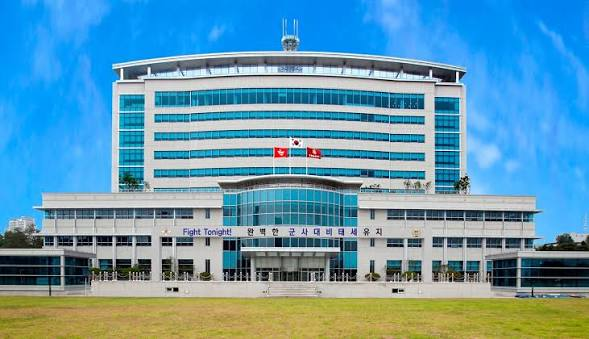
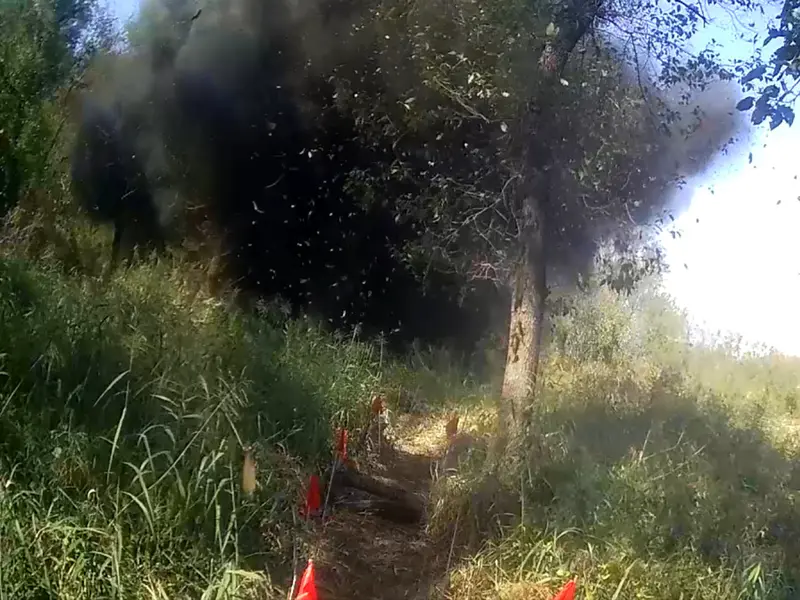
It has been reported that our military had identified the possibility of landmine placement by North Korea south of the MDL in the western front DMZ area where a North Korean landmine exploded on September 21. At that time, the Minister of National Defense and the Chairman of the Joint Chiefs of Staff were also informed of the potential for further incursions. The issue has arisen regarding how the internal risk assessment was reflected in actual responses and external explanations.
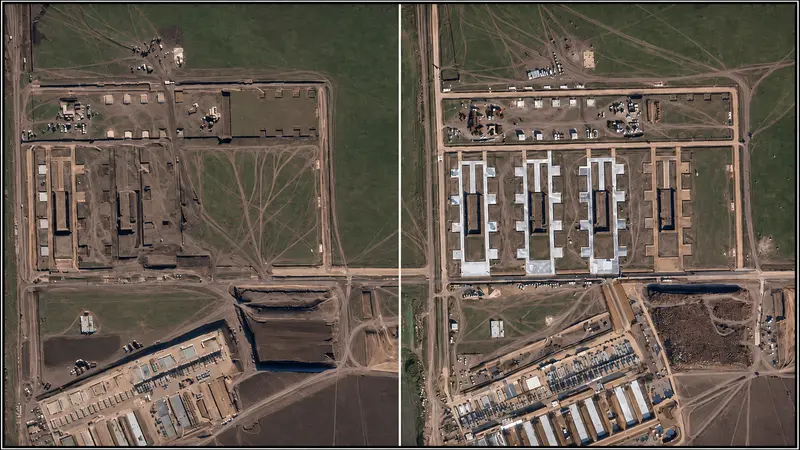
According to materials submitted to the National Assembly by the Joint Chiefs of Staff, the military identified suspected landmine placement areas south of the MDL in front of the 25th Division through satellites, a joint collection asset of South Korea and the U.S., on September 23, 2025. The initial analysis report prepared after collecting satellite images assessed that the area south of the MDL among the North Korean military's barren work zones was a 'suspected landmine placement area'.
The day after the initial analysis, a report was made to the military leadership.
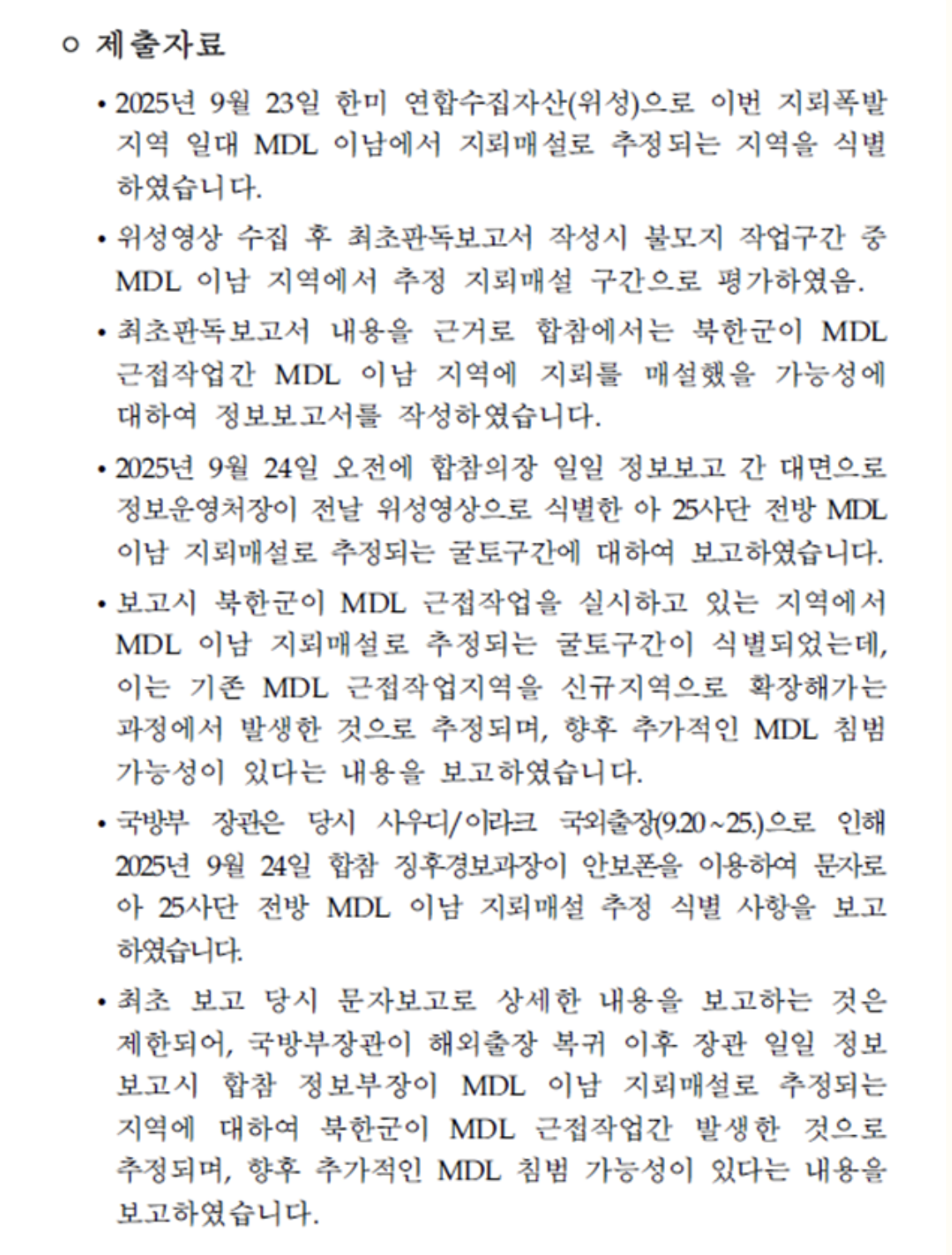
On the morning of September 24, 2025, the day after the identification, the head of the Joint Chiefs of Staff's Information Operations Department reported the relevant excavation area to the then Chairman of the Joint Chiefs of Staff during the daily intelligence report. It was assessed that the incident was presumed to have occurred as the North Korean military expanded its existing MDL proximity operation area into a new zone, and the possibility of further MDL violations was also communicated.
At that time, the head of the Joint Chiefs of Staff's Warning and Monitoring Division reported the identification of the suspected landmine placement area to Minister of National Defense An Gyu-baek, who was visiting Saudi Arabia and Iraq, via a security phone text message. It has been reported that related assessments and the possibility of further incursions were communicated even after the Minister's return.
The possibility of landmine placement was raised from the initial image analysis stage, and this judgment was conveyed to the military leadership.
Internal reports referred to it as 'suspected landmine placement', while external explanations described it as 'terrain changes'?
The controversy erupted about a year later during the military's external explanations. Representative Yoo Yong-won of the People Power Party claimed that when he raised suspicions about the North Korean landmine area violating the MDL on September 10, 2026, the Ministry of National Defense downplayed the related circumstances as 'terrain changes'. Subsequently, on the 21st of the same month, a North Korean landmine exploded in the area.
Representative Yoo demanded to know what actions the military took after receiving reports of the possibility of landmine placement and additional incursion risks, and insisted that the timing of when President Lee Jae-myung was first informed about this matter and subsequent instructions and follow-up actions should also be disclosed.
However, the military did not deny the possibility of landmine placement at that time. The Joint Chiefs of Staff stated that some terrain changes were identified when Representative Yoo Yong-won raised suspicions in September, and that the possibility of landmine placement was under consultation with the United Nations Command. This implies that they withheld judgment without confirming the placement. Meanwhile, during a briefing on September 29, after the explosion, the Joint Chiefs of Staff also responded that they were 'not currently judging' whether the suspected placement area was south of the MDL, which contrasts with the initial analysis report that assessed that area as south of the MDL a year prior.
Ultimately, what needs to be clarified in this controversy is not whether there was intentional downplaying, but the decision-making process from the initial identification to the on-site response. This includes how the risks were verified after receiving the report of the possibility of landmine placement and what measures were taken to protect the soldiers on the ground.
To determine whether there was downplaying or concealment and the appropriateness of the response, it seems necessary to first confirm the judgments and actions that occurred between the internal reports and external announcements, and it is observed that a review of whether a normal information system and military response system capable of detecting risks and preparing and responding in advance is in place is needed.