Tomahawk Waiting Line: While the US fills its own stockpile, allies wait.
The 22.9 billion dollar increase contract is the bill for the US ammunition depot emptied by the Iran war. While prioritizing its own stockpile, the introduction of Tomahawks by allies such as Japan has been pushed back.
강병지
Published
Updated
On August 17, the U.S. Navy awarded a $22.9 billion (approximately 32 trillion won) contract for Tomahawk cruise missiles to Raytheon, a defense contractor under RTX. This seven-year contract is unprecedented in scale and is reported to be the largest ever based on the Tucson missile factory. Raytheon stated that it would increase Tomahawk production from around 60 missiles per year to over 1,000. This is part of the 'Arsenal of Freedom' initiative promoted by the Department of Defense (formerly the Ministry of Defense), confirming the main contract based on the production expansion agreement reached by both parties in February.
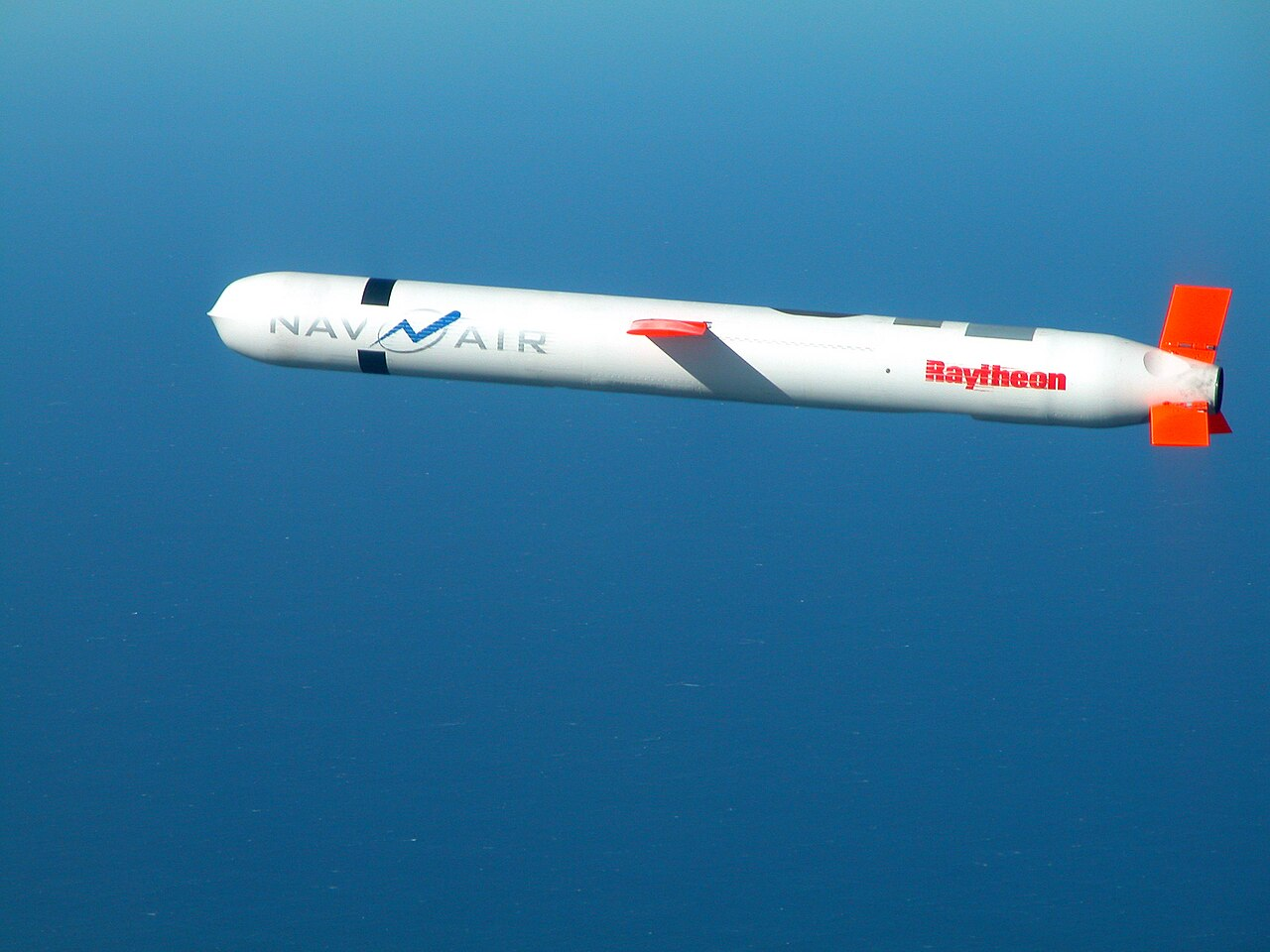
The background of the contract lies in the depleted ammunition depots. The U.S. poured a large number of Tomahawks during the Iran War (Operation Epic Fury), which began on February 28. In the first month of the conflict, over 850 missiles were launched, and by August, about one-third (over 1,000 missiles) of the pre-war inventory had been exhausted. The initial stockpile was estimated to be in the low 3,000s (some estimates suggest over 4,000). The problem is the speed of replenishment. At this rate, it will take years to refill what has been used this time.
The true weight of this contract lies in the fact that this 'inventory crisis' is not just a problem for the U.S. A U.S. security think tank points out that the real concern is the gap in deterrence against China, particularly around Taiwan. The repercussions of this immediately shift to the order of weapon acquisitions by allies. The foreign military sales (FMS) under the Trump administration is known to distribute quantities in a structure that prioritizes the U.S., followed by key allies, and then an uncertain order for others. The U.S., needing to fill its own inventory first, is pushing back the quantities that would go to allies.
The clearest example is Japan. With the revision of its three security documents in 2022, Japan enshrined 'counterstrike capability' and made the introduction of 400 Tomahawks a core element of its military power. In January 2024, it signed a foreign military sales contract with the U.S., planning to secure these missiles, which have a range of about 1,600 km, by March 2028. The Aegis destroyer 'Chokai' completed its modifications and conducted its first live-fire test in late July under the support of the U.S. Navy in the Pacific. The ship is ready to fire. However, there are observations that the delivery of the missiles to be filled may be delayed by up to two years. The inventory shortage caused by the Iran War is delaying the allies' military readiness.
Tomahawks are not weapons that just anyone can buy. For decades, the only foreign operator was the UK (for attack submarines), and only recently have countries like Australia (approved in 2023), Japan (approved in 2023), and the Netherlands (approved in 2025) joined the ranks. All of these countries have gone through U.S. sales approval to stand in line.
South Korea is not in that lineup. South Korea has never been on the list of countries introducing Tomahawks. Instead, it operates the domestically developed Hyunmoo-III series cruise missiles from its Sejong the Great-class and Dokdo-class destroyers and submarines. The Hyunmoo-3D, estimated to have a maximum range of about 3,000 km, covers not only all of North Korea but also significant areas of neighboring countries. While the U.S. is delaying deliveries to allies to fill its inventory, South Korea already possesses assets that do not require waiting in line on someone else's production line. This is the quiet implication that the $22.9 billion contract throws at South Korea.