AnchorPost

Ballistic Missile Provocation After 42 Days: SRBM Launched from Wonsan Ahead of Ulchi Training

On the 6th, North Korea launched one short-range ballistic missile (SRBM) into the East Sea from Wonsan. This marks the 10th provocation of the year and the first in 42 days, interpreted as a response to the upcoming U.S.-South Korea Ulchi training this month.

강병지

Published

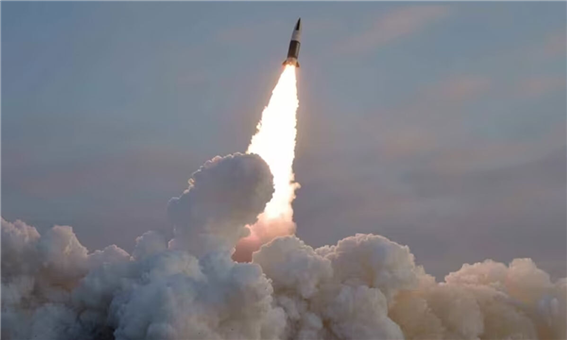
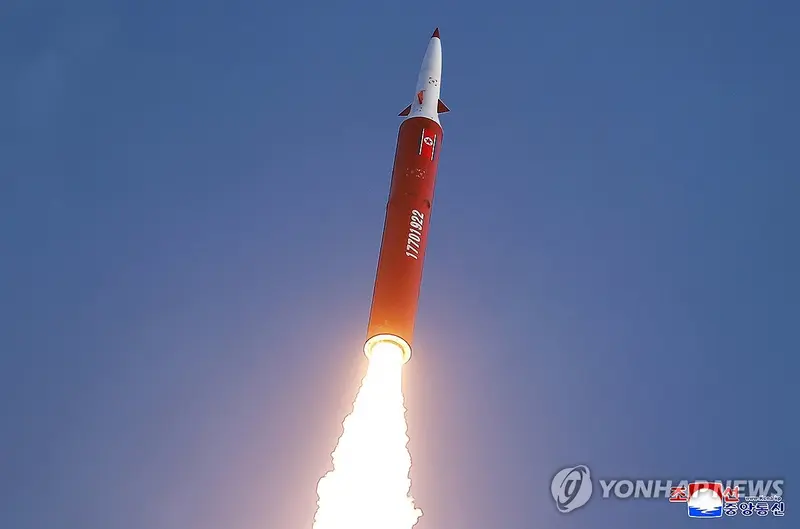
On August 6 at around 5 PM, North Korea launched one short-range ballistic missile (SRBM) into the East Sea from the Wonsan area. This is the first launch in 42 days since June 25 and the tenth military demonstration this year. The exact specifications, including range and altitude, are currently under precise analysis by South Korea and the U.S.
pasted image

Scene of North Korea's Ballistic Missile Launch, Pyongyang Rodong Sinmun

■ Overview of the Launch

The Joint Chiefs of Staff stated that from the early stages of the launch, South Korean and U.S. intelligence authorities have been tracking and sharing relevant developments in real-time, and that information was also exchanged with Japan. The Japanese Ministry of Defense announced that an object presumed to be a ballistic missile appears to have fallen outside Japan's exclusive economic zone (EEZ). The National Security Office held an emergency security situation assessment meeting with relevant agencies, including the Ministry of National Defense and the Joint Chiefs of Staff, to analyze and evaluate the impact of this launch on security.

■ Why Now, Again a Ballistic Missile?

This launch comes ahead of the U.S.-South Korea joint exercise 'Ulchi Freedom Shield' (UFS), which will be conducted over 11 days from the 17th to the 27th of this month. North Korea typically reacts strongly by launching ballistic missiles around the time of U.S.-South Korea joint exercises. Although there was a test of a strategic cruise missile mounted on a new destroyer on July 3, this is the first ballistic missile launch in 42 days. The timing of breaking the gap itself is interpreted as a signal of opposition aimed at the exercise.

■ Differences from Previous Provocations

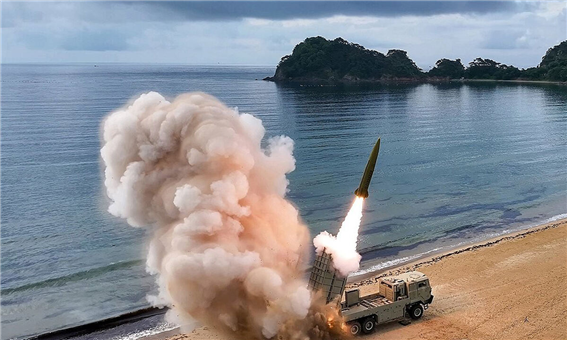
The provocation on June 25 involved a composite test using various projectiles, including tactical ballistic missiles, extended-range shells for 155mm self-propelled howitzers, and upgraded 240mm multiple rocket launchers, under the observation of Kim Jong-un. This launch is a single SRBM, differing in scale and nature. Whether this indicates a calibration of the level of military demonstration or a simple resumption of previously halted provocations can only be determined once the analysis of the specifications is complete.
pasted image

Tactical Ballistic Missile Test Conducted on June 25, Korean Central News Agency

■ Remaining Key Issues

There is a possibility of further provocations during the UFS period. On the other hand, attention is drawn to the point where this provocation directly clashes with the recent trend of seeking to ease tensions between the two Koreas. The precise analysis results that will confirm the type and specifications of the missile remain a key variable in gauging North Korea's intentions.
More Security coverage

Related articles

  1. More than 10 ballistic missiles fired six days after Seoul proposed military talks, Korean Peninsula tensions rise amid North Korea's show of forceMore than 10 ballistic missiles fired six days after Seoul proposed military talks, Korean Peninsula tensions rise amid North Korea's show of force

    North Korea launches more than 10 short-range ballistic missiles from the Wonsan area, flying about 250 km, resuming missile provocations after 17 days National Security Office convenes emergency review meeting, North continues show of force despite proposal for inter-Korean military talks

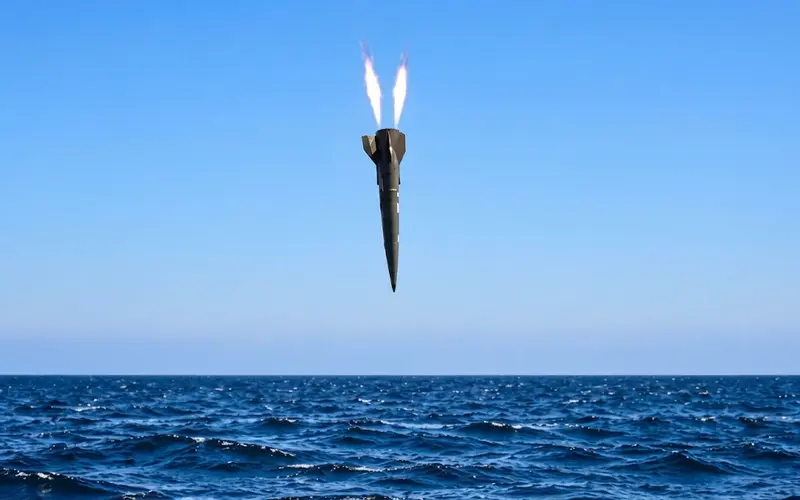
  2. North "1000km hit" vs Military "over 700km"…'hypersonic' missile 300km disputeNorth "1000km hit" vs Military "over 700km"…'hypersonic' missile 300km dispute

    North Korea claimed on the 3rd that a missile launched from Wonsan hit a target over 1000km away, but South Korea and Japan detected it at around 700km.

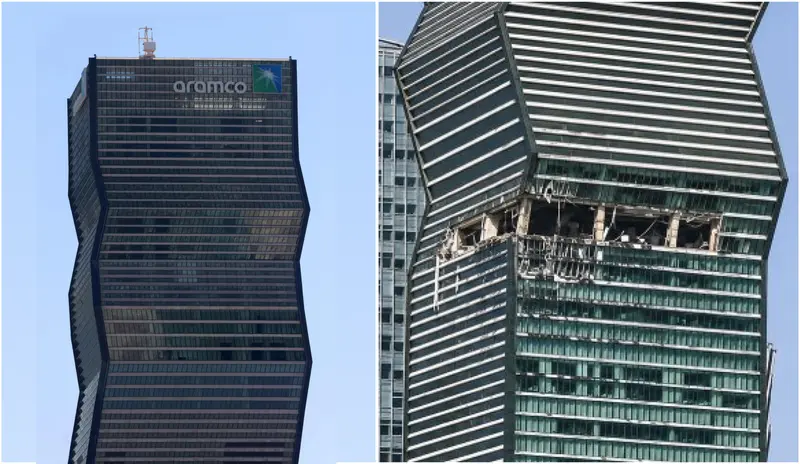
  3. Houthi missile offensive damages 'Aramco Tower' in Saudi capital, financial district hit despite air defense interceptionsHouthi missile offensive damages 'Aramco Tower' in Saudi capital, financial district hit despite air defense interceptions

    Attack hits King Abdullah Financial District in central Riyadh; Saudi authorities say, "Minor damage from interceptor debris, no casualties" Yemen airstrike death toll rises to 44; Houthis broaden retaliatory attacks on Saudi airports and oil facilities

  4. Debate flares over Defense Minister Kang Shin-cheol's remark: 'Can U.S. forces be trusted in a war with North Korea?'Debate flares over Defense Minister Kang Shin-cheol's remark: 'Can U.S. forces be trusted in a war with North Korea?'

    Kang clashes with lawmaker Sung Il-jong over OPCON transfer, opposition camp says he damaged trust in the South Korea-U.S. alliance and even calls for his dismissal Defense Ministry says he was rebutting a lawmaker's argument and meant to stress trust between Seoul and Washington, as dispute grows over how to interpret the remark

Other sections

  1. North Korea said "No soot means fake," but thermal protection principles point the other wayNorth Korea said "No soot means fake," but thermal protection principles point the other way

    North Korea says 1,000 km, while South Korea and Japan put it at around 700 km. The inter-Korean hypersonic competition has shifted from speed to a dispute over numbers and "soot."

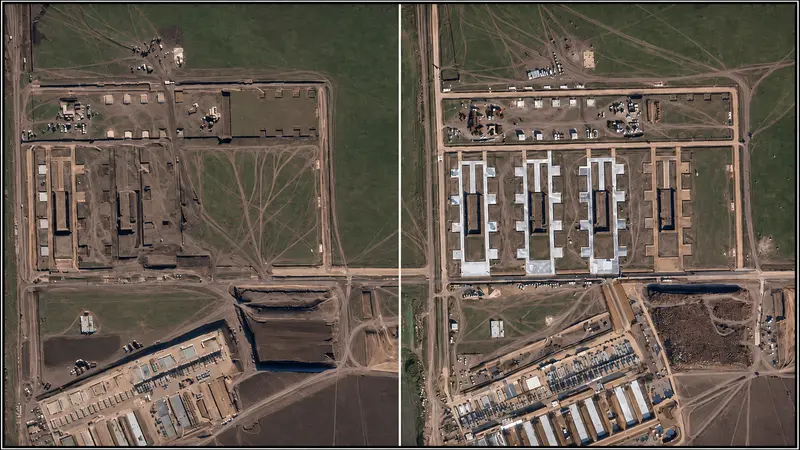
  2. Six weeks from empty field to launch site: how fast Russia is preparing for a winter war of attritionSix weeks from empty field to launch site: how fast Russia is preparing for a winter war of attrition

    Russia is getting faster at building launch sites than Ukraine is at destroying them. A jet-drone base built in just six weeks is one example.

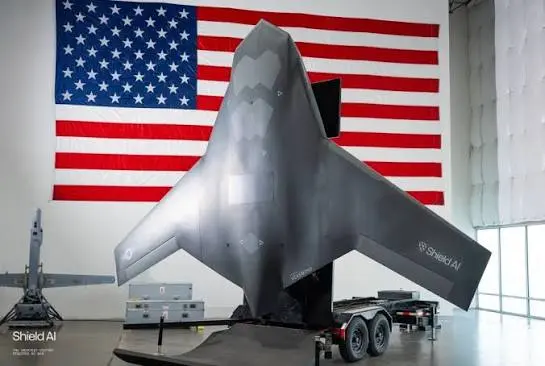
  3. U.S. defense company Shield AI unveils first full-scale prototype of X-BAT VTOL stealth combat droneU.S. defense company Shield AI unveils first full-scale prototype of X-BAT VTOL stealth combat drone

    Vertical takeoff and landing by jet-engine thrust; U.S. Navy and DIU back development with $200 million, first flight test planned this year Aims to operate fighter-class drones without aircraft carriers; mass production planned for 2029

  4. South Korea's first space debris removal satellite to begin assembly in November, launch on Nuri in 2027South Korea's first space debris removal satellite to begin assembly in November, launch on Nuri in 2027

    KAIST-developed Active Space Object Control Satellite clears system integration readiness review; robotic arm to capture defunct satellite and guide atmospheric re-entry Wooribyul-3 likely first removal target; Japan and Europe also competing to remove space debris, with hopes of securing in-orbit servicing technology